

Are plastic hose pipes prone to cracking?
Oct 24, 2025
As a supplier of plastic hose pipes, I've encountered numerous inquiries from customers regarding the durability of these products, particularly the susceptibility to cracking. In this blog, I'll delve into the factors that contribute to plastic hose pipe cracking and offer insights on how to prevent it.
Understanding the Composition of Plastic Hose Pipes
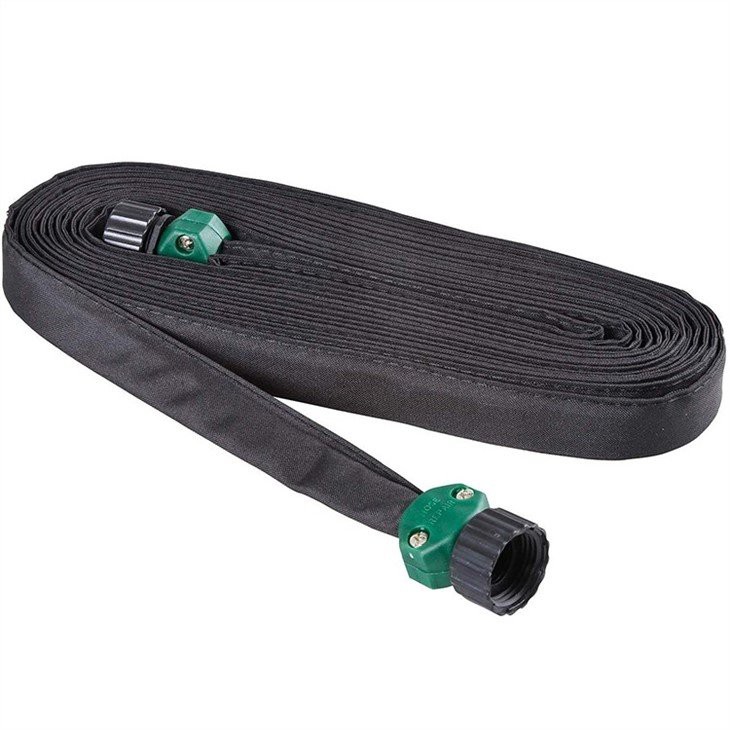
Plastic hose pipes are typically made from various polymers, such as polyvinyl chloride (PVC), polyethylene (PE), and polyurethane (PU). Each material has its own set of properties that influence the hose's performance and durability. For instance, PVC is known for its rigidity and chemical resistance, making it suitable for a wide range of applications, including Soaker Hose. On the other hand, PE is more flexible and resistant to impact, often used in Plastic Net Hose Pipe.
Factors Contributing to Cracking
- Exposure to Extreme Temperatures
- Plastic materials can become brittle in cold temperatures. When the temperature drops significantly, the molecular structure of the plastic becomes more rigid, reducing its flexibility. This can lead to cracking, especially if the hose is bent or subjected to pressure. For example, in winter, outdoor plastic hose pipes that are left filled with water can crack as the water freezes and expands.
- Conversely, high temperatures can also cause problems. Prolonged exposure to heat can cause the plastic to soften and lose its structural integrity. UV radiation from the sun can further accelerate this process, leading to surface degradation and eventual cracking.
- Chemical Exposure
- Certain chemicals can react with the plastic in hose pipes, causing it to weaken and crack. For example, solvents, acids, and alkalis can break down the polymer chains in the plastic, reducing its strength. This is particularly important in industrial applications where hose pipes may come into contact with a variety of chemicals. Even household cleaning products can have a negative impact on plastic hoses if they are not compatible with the material.
- Mechanical Stress
- Bending the hose at sharp angles or over time can cause stress on the material. Repeated bending and straightening can lead to fatigue in the plastic, resulting in cracks. This is common in hoses that are frequently moved or adjusted, such as those used in gardening or construction.
- Kinking is another form of mechanical stress that can cause cracking. When a hose is kinked, the flow of fluid is restricted, and the pressure inside the hose increases. This increased pressure can cause the plastic to stretch and eventually crack at the kink point.
- Age and Wear
- Over time, plastic hose pipes naturally degrade. The constant flow of fluid through the hose, as well as exposure to environmental factors, can cause the material to wear out. As the hose ages, its flexibility and strength decrease, making it more prone to cracking. This is why it's important to regularly inspect and replace old hose pipes.
Preventing Cracking
- Proper Storage
- When not in use, plastic hose pipes should be stored in a cool, dry place away from direct sunlight. This helps to prevent damage from extreme temperatures and UV radiation. Coiling the hose neatly and avoiding sharp bends can also reduce the risk of cracking during storage.
- Use of Protective Covers
- In outdoor applications, using a protective cover can shield the hose from UV rays and physical damage. There are various types of covers available, such as fabric sleeves or plastic sheaths, that can help extend the life of the hose.
- Selecting the Right Hose for the Application
- It's crucial to choose a hose that is suitable for the specific application. Consider factors such as the type of fluid being transported, the temperature range, and the level of mechanical stress. For example, if you need a hose for a high - pressure application, choose a hose with a thicker wall and higher burst pressure rating. Our PVC Water Hose Cart is designed for easy handling and is suitable for a variety of water - related applications.
- Regular Inspection and Maintenance
- Regularly inspect the hose for signs of wear, such as cracks, bulges, or leaks. If any damage is detected, replace the hose immediately. Flushing the hose regularly can also help remove any debris or chemicals that may be causing damage.
Conclusion
In conclusion, while plastic hose pipes are generally durable, they are prone to cracking under certain conditions. By understanding the factors that contribute to cracking and taking appropriate preventive measures, you can significantly extend the lifespan of your plastic hose pipes.
As a supplier of high - quality plastic hose pipes, we are committed to providing products that meet the highest standards of durability and performance. Our range of products, including Soaker Hose, Plastic Net Hose Pipe, and PVC Water Hose Cart, is designed to withstand a variety of conditions.
If you are in the market for plastic hose pipes or have any questions about our products, we invite you to contact us for a detailed discussion. Our team of experts is ready to assist you in finding the right solution for your specific needs.

References
- ASTM International. (2023). Standards for plastic pipes and hoses.
- Plastic Pipe and Fittings Association. (2023). Guide to plastic pipe durability.
- National Institute of Standards and Technology. (2023). Research on polymer degradation and cracking.