

How to adjust the contact pressure of a Two Way Connector?
Oct 23, 2025
As a reputable supplier of Two Way Connectors, I understand the critical role that proper contact pressure adjustment plays in ensuring the optimal performance and longevity of these essential components. In this blog post, I'll share some expert insights and practical tips on how to adjust the contact pressure of a Two Way Connector effectively.
Understanding the Importance of Contact Pressure
Before delving into the adjustment process, it's crucial to understand why contact pressure matters. In a Two Way Connector, the contact pressure between the mating parts determines the electrical conductivity, mechanical stability, and overall reliability of the connection. Insufficient contact pressure can lead to increased resistance, heat generation, and potential signal loss, while excessive pressure can cause damage to the connector components, such as deformation or cracking.
Factors Affecting Contact Pressure
Several factors can influence the contact pressure in a Two Way Connector, including:

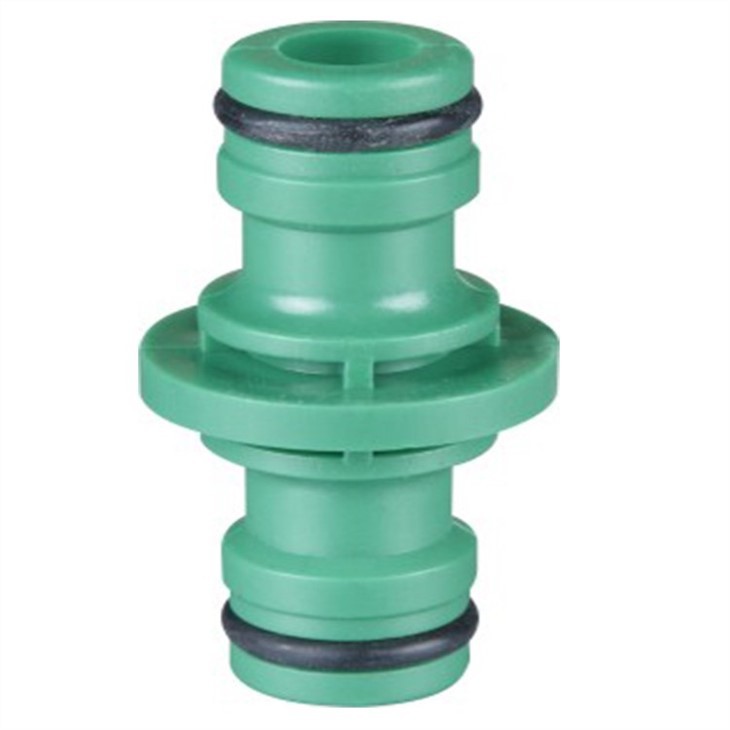
- Material Properties: The type of materials used in the connector, such as the contact material and the housing material, can affect the contact pressure. For example, softer materials may require higher contact pressure to ensure a reliable connection.
- Design and Geometry: The design and geometry of the connector, including the shape and size of the contacts, can also impact the contact pressure. A well-designed connector will distribute the contact pressure evenly across the mating surfaces.
- Environmental Conditions: Environmental factors, such as temperature, humidity, and vibration, can cause the connector components to expand or contract, affecting the contact pressure. It's important to consider these factors when adjusting the contact pressure.
Tools and Equipment Needed
To adjust the contact pressure of a Two Way Connector, you'll need the following tools and equipment:
- Pressure Gauge: A pressure gauge is used to measure the contact pressure accurately. Make sure to choose a pressure gauge that is suitable for the type of connector you're working with.
- Adjustment Tools: Depending on the design of the connector, you may need specific adjustment tools, such as screwdrivers, wrenches, or pliers, to make the necessary adjustments.
- Cleaning Supplies: Before adjusting the contact pressure, it's important to clean the connector components to remove any dirt, debris, or oxidation that may affect the contact performance. Use a suitable cleaning solution and a soft brush or cloth to clean the contacts.
Step-by-Step Guide to Adjusting Contact Pressure
Here's a step-by-step guide on how to adjust the contact pressure of a Two Way Connector:
- Inspect the Connector: Before making any adjustments, carefully inspect the connector for any signs of damage, wear, or contamination. If you notice any issues, such as bent contacts or cracked housing, it may be necessary to replace the connector.
- Clean the Connector: Use a cleaning solution and a soft brush or cloth to clean the connector contacts thoroughly. Make sure to remove any dirt, debris, or oxidation that may affect the contact performance.
- Measure the Initial Contact Pressure: Use a pressure gauge to measure the initial contact pressure of the connector. Record the measurement for future reference.
- Identify the Adjustment Points: Refer to the connector's datasheet or user manual to identify the adjustment points. These may include screws, nuts, or other adjustable components.
- Make Small Adjustments: Use the appropriate adjustment tools to make small adjustments to the contact pressure. Turn the adjustment screws or nuts in small increments and re-measure the contact pressure after each adjustment.
- Monitor the Contact Pressure: As you make adjustments, monitor the contact pressure using the pressure gauge. Make sure to stay within the recommended range specified by the connector manufacturer.
- Test the Connector: Once you've adjusted the contact pressure to the desired level, test the connector to ensure that it's functioning properly. Connect the connector to a test circuit and check for any signs of signal loss, heat generation, or other issues.
- Document the Adjustments: After completing the adjustment process, document the final contact pressure measurement and any adjustments that were made. This information will be useful for future reference and maintenance.
Tips for Maintaining Optimal Contact Pressure
To maintain optimal contact pressure in a Two Way Connector, follow these tips:
- Regular Inspections: Conduct regular inspections of the connector to check for any signs of damage, wear, or contamination. Replace any damaged or worn components as soon as possible.
- Proper Installation: Make sure to install the connector correctly according to the manufacturer's instructions. Improper installation can lead to uneven contact pressure and other issues.
- Environmental Protection: Protect the connector from environmental factors, such as temperature, humidity, and vibration, by using appropriate enclosures or mounting methods.
- Avoid Overloading: Do not exceed the maximum current or voltage ratings specified by the connector manufacturer. Overloading can cause the connector to overheat and damage the contacts.
Conclusion
Adjusting the contact pressure of a Two Way Connector is a critical step in ensuring its optimal performance and reliability. By following the steps outlined in this blog post and using the right tools and equipment, you can adjust the contact pressure accurately and maintain it at the desired level. Remember to conduct regular inspections and follow the manufacturer's recommendations to ensure the long-term performance of your connectors.
If you're in the market for high-quality Two Way Connectors or need assistance with contact pressure adjustment, contact us. Our team of experts is here to help you find the right solutions for your specific needs.
References
- Connector Design Handbook
- Electrical Connector Standards and Specifications
- Best Practices for Connector Maintenance
For more information on related products, you can visit the following links:
We look forward to discussing your requirements and providing you with the best Two Way Connector solutions. Feel free to reach out to us for a detailed consultation and to start the procurement process.