

Are brass hose connectors more durable?
Jun 02, 2025
As a seasoned supplier of hose connectors, I've often been asked whether brass hose connectors are truly more durable. This question is not only relevant to professionals in the plumbing and irrigation industries but also to homeowners looking for reliable solutions for their water systems. In this blog post, I'll delve into the characteristics of brass hose connectors, compare them with other materials, and provide insights based on my years of experience in the field.
Understanding Brass as a Material for Hose Connectors
Brass is an alloy primarily composed of copper and zinc, with the proportion of these elements varying depending on the specific type of brass. This combination results in a material that offers several advantages for hose connectors.
One of the key benefits of brass is its excellent corrosion resistance. Unlike iron or steel, which can rust when exposed to water and oxygen, brass forms a protective layer on its surface that prevents further corrosion. This makes brass hose connectors ideal for use in both indoor and outdoor applications, where they may be exposed to moisture for extended periods. For instance, in an irrigation system, brass connectors can withstand the constant flow of water without deteriorating, ensuring a long - lasting and leak - free connection.
Another advantage of brass is its strength. It is a relatively hard material that can withstand high pressure without deforming. This is crucial in applications where the water pressure is significant, such as in industrial settings or large - scale irrigation projects. A brass hose connector can maintain its shape and integrity under pressure, reducing the risk of leaks and ensuring the efficient operation of the system.
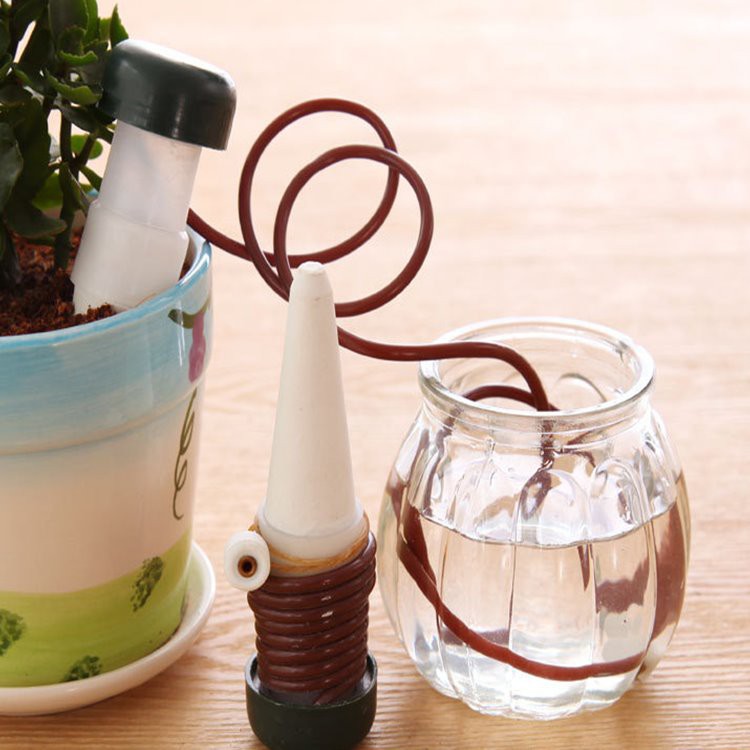
Brass also has good machinability, which means it can be easily shaped into various forms and sizes. This allows for the production of a wide range of hose connectors, including Water Dropper Set, Two Way Connector, and Hose Repairer. The ability to customize the connectors to fit different hose sizes and application requirements is a significant advantage for both suppliers and customers.
Comparing Brass with Other Materials
While brass has many advantages, it's important to compare it with other materials commonly used for hose connectors, such as plastic and stainless steel.
Plastic Hose Connectors
Plastic hose connectors are lightweight, inexpensive, and easy to install. They are often used in residential applications where cost is a major consideration. However, plastic has some limitations when it comes to durability. It is more prone to cracking and breaking, especially when exposed to extreme temperatures or high pressure. Over time, plastic connectors may also become brittle and lose their flexibility, leading to leaks. In contrast, brass connectors can withstand a wider range of temperatures and pressures, making them a more reliable choice for long - term use.
Stainless Steel Hose Connectors
Stainless steel is another popular material for hose connectors. It offers excellent corrosion resistance, similar to brass, and is also very strong. However, stainless steel is generally more expensive than brass. Additionally, stainless steel connectors can be heavier, which may be a disadvantage in some applications where weight is a concern. Brass, on the other hand, provides a good balance between cost, weight, and durability, making it a popular choice for many customers.
Real - World Applications and Case Studies
To illustrate the durability of brass hose connectors, let's look at some real - world applications.
In a large - scale agricultural irrigation project, brass connectors were used to connect the main water supply lines to the drip irrigation systems. The project covered hundreds of acres of farmland, and the connectors were exposed to continuous water flow and varying weather conditions. After several years of operation, the brass connectors showed minimal signs of wear and tear. There were no significant leaks, and the connectors continued to function effectively, ensuring the efficient delivery of water to the crops.
In a commercial building's plumbing system, brass hose connectors were installed to connect the water supply pipes to various fixtures. The building had a high - volume water demand, and the connectors were subjected to regular pressure fluctuations. Despite these challenges, the brass connectors maintained their integrity, providing a reliable and leak - free connection. This not only saved on water bills but also reduced the need for frequent maintenance and repairs.

Maintenance and Longevity
Proper maintenance can further enhance the durability of brass hose connectors. Regular inspection for signs of corrosion or damage is recommended. If any signs of corrosion are detected, a simple cleaning with a mild abrasive can remove the surface layer and prevent further deterioration. It's also important to ensure that the connectors are tightened properly during installation to prevent leaks.
With proper care, brass hose connectors can last for decades. This long lifespan makes them a cost - effective investment in the long run, as they reduce the need for frequent replacements and associated labor costs.
Conclusion
In conclusion, brass hose connectors are indeed more durable compared to many other materials. Their excellent corrosion resistance, strength, and machinability make them suitable for a wide range of applications, from residential plumbing to industrial and agricultural settings. While they may be more expensive than plastic connectors, their long - term durability and reliability justify the cost.
If you're in the market for high - quality, durable hose connectors, I encourage you to consider our range of brass products. Whether you need a Water Dropper Set, a Two Way Connector, or a Hose Repairer, we have the expertise and products to meet your needs. Feel free to contact us to discuss your specific requirements and start a procurement negotiation.
References
- "Materials Science and Engineering: An Introduction" by William D. Callister Jr. and David G. Rethwisch
- Industry reports on hose connector materials and performance