

Can a Two Way Connector be used in telecommunications equipment?
Jul 04, 2025
In the ever - evolving landscape of telecommunications equipment, the search for reliable, efficient, and versatile components is a constant pursuit. One such component that often sparks curiosity is the Two Way Connector. As a supplier of Two Way Connectors, I am well - versed in the potential applications and challenges of using these connectors in telecommunications equipment. In this blog, we'll delve deep into the question: Can a Two Way Connector be used in telecommunications equipment?
Understanding Two Way Connectors
Before we can determine the viability of using Two Way Connectors in telecommunications, it's essential to understand what they are. A Two Way Connector is a device that allows for the connection of two separate entities, enabling the transfer of signals, fluids, or other forms of data or matter between them. In the context of telecommunications, these connectors are typically designed to transmit electrical or optical signals.
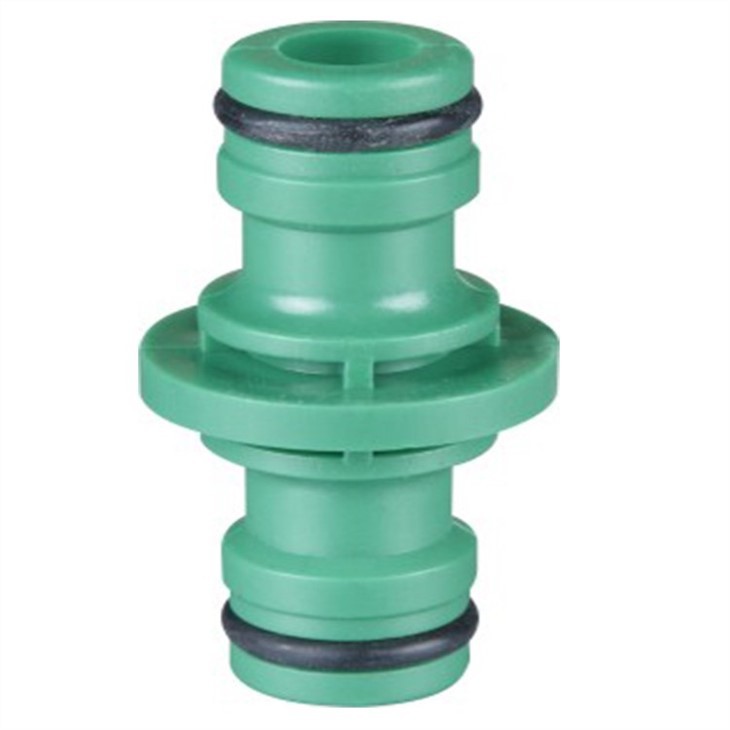

Two Way Connectors come in various shapes, sizes, and materials, each tailored to specific applications. Some are designed for high - speed data transfer, while others prioritize durability and resistance to environmental factors. The choice of a Two Way Connector depends on the requirements of the telecommunications system, such as the type of signal (analog or digital), the frequency range, and the power levels involved.
Compatibility with Telecommunications Signals
One of the primary considerations when using a Two Way Connector in telecommunications equipment is its compatibility with the signals being transmitted. Telecommunications signals can vary widely in terms of frequency, amplitude, and modulation. For example, in modern wireless communication systems, signals can operate in the GHz range, requiring connectors that can handle high - frequency transmission without significant signal loss.
Most high - quality Two Way Connectors are designed to have low insertion loss, which means they can transmit signals with minimal attenuation. This is crucial in telecommunications, where even a small loss of signal strength can lead to degraded performance, such as dropped calls or slow data transfer rates. Additionally, these connectors should have high return loss, which indicates that they reflect a minimal amount of the signal back towards the source. A high return loss helps to prevent signal interference and ensures the integrity of the transmitted signal.
Mechanical and Environmental Considerations
Telecommunications equipment is often exposed to a variety of mechanical and environmental stresses. In a mobile network, for instance, base station equipment may be located outdoors, where it is subject to temperature variations, humidity, and physical vibrations. A Two Way Connector used in such an environment must be able to withstand these conditions without failing.
From a mechanical perspective, the connector should have a secure and reliable connection mechanism. It should be able to withstand repeated mating and unmating cycles without losing its electrical performance. Many Two Way Connectors feature locking mechanisms, such as threaded or snap - on designs, to ensure a stable connection.
In terms of environmental resistance, connectors may be coated with materials that protect them from corrosion and moisture. For example, some connectors are made with gold - plated contacts, which not only provide excellent electrical conductivity but also resist oxidation and corrosion. Additionally, they may be designed to meet specific ingress protection (IP) ratings, indicating their resistance to dust and water.
Applications in Telecommunications
Two Way Connectors have a wide range of applications in telecommunications equipment. In fiber - optic communication systems, these connectors are used to join optical fibers, allowing for the transmission of high - speed data over long distances. Fiber - optic Two Way Connectors are designed to align the fiber cores precisely, ensuring minimal signal loss and high - quality transmission.
In wireless communication systems, Two Way Connectors are used to connect antennas to the base station equipment. They play a crucial role in transmitting and receiving radio frequency (RF) signals. These connectors must be able to handle the high - power levels associated with RF signals and provide a stable connection to ensure reliable communication.
In a wired telecommunications network, such as a local area network (LAN), Two Way Connectors are used to connect network devices, such as routers, switches, and computers. They enable the transfer of data between these devices, ensuring seamless communication within the network.
Comparison with Other Connector Types
While Two Way Connectors offer many advantages in telecommunications, it's important to compare them with other connector types. For example, multi - way connectors can provide a more compact solution when multiple signals need to be transmitted simultaneously. However, they may be more complex to install and maintain compared to Two Way Connectors.
On the other hand, single - way connectors are simpler and may be more suitable for applications where only one signal needs to be transmitted. But in many telecommunications systems, the ability to connect two separate paths is essential, making Two Way Connectors a more practical choice.
Integration with Existing Telecommunications Infrastructure
When considering the use of Two Way Connectors in telecommunications equipment, it's also important to think about their integration with existing infrastructure. Many telecommunications systems have been in operation for years and may have specific connector standards and interfaces. A new Two Way Connector must be able to integrate seamlessly with these existing systems to avoid costly retrofitting or replacement.
Fortunately, most modern Two Way Connectors are designed to be compatible with industry - standard interfaces. This allows for easy integration into existing telecommunications networks, reducing the time and cost associated with system upgrades.
The Role of Hose Repairer and Water Dropper Set in Related Systems
Although the primary focus is on Two Way Connectors in telecommunications, it's worth mentioning the role of related components like Hose Repairer and Water Dropper Set in some specialized telecommunications applications. In certain cooling systems used in data centers, hoses are used to circulate coolant. A Hose Repairer can be used to fix any leaks or damages in these hoses, ensuring the proper functioning of the cooling system. A Water Dropper Set may be used in humidity - control systems, which are important for maintaining the optimal operating conditions of telecommunications equipment.
Conclusion and Call to Action
In conclusion, a Two Way Connector can indeed be used in telecommunications equipment, provided that it meets the specific requirements of the system in terms of signal compatibility, mechanical and environmental performance, and integration with existing infrastructure. These connectors play a vital role in ensuring the reliable transmission of signals in various telecommunications applications, from fiber - optic networks to wireless communication systems.
As a supplier of high - quality Two Way Connectors, we are committed to providing products that meet the highest standards of performance and reliability. Our connectors are rigorously tested to ensure they can withstand the demands of modern telecommunications systems. If you are in the market for Two Way Connectors for your telecommunications equipment, we invite you to reach out to us for a detailed discussion about your specific needs. We can provide you with technical support, product samples, and competitive pricing. Let's work together to enhance the performance of your telecommunications systems.
References
- "Telecommunications Engineering Handbook", by John G. Proakis and Masoud Salehi.
- "Connectors for High - Speed Digital Applications", published by the Institute of Electrical and Electronics Engineers (IEEE).
- Industry standards and specifications from organizations such as the International Electrotechnical Commission (IEC) and the Telecommunications Industry Association (TIA).