

Do collapsible hoses have a good seal to prevent leaks?
Aug 14, 2025
Hey there! As a supplier of Collapsible Hoses, I often get asked, "Do collapsible hoses have a good seal to prevent leaks?" Well, let's dive right into this topic and find out.
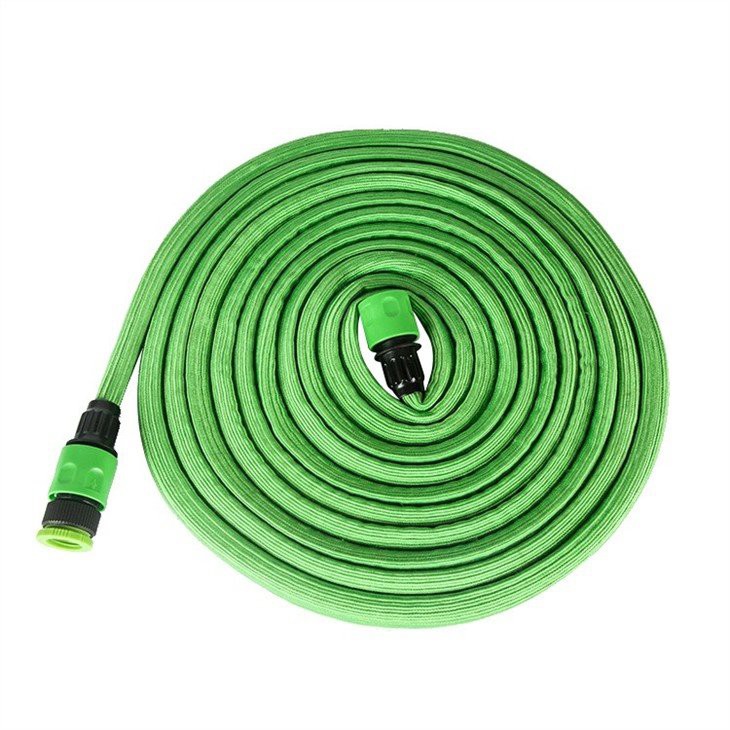
First off, what exactly is a Collapsible Hose? It's a type of hose that can expand when filled with water and contract back to a smaller size when the water is drained. This makes it super convenient for storage and easy to carry around. But the big question is, how well do they seal to keep water from leaking out?
The Seal Mechanism of Collapsible Hoses
Collapsible hoses typically use a few different methods to create a seal. One common approach is through the use of connectors. These connectors are designed to fit snugly onto faucets and other water sources. They often have rubber gaskets or O - rings that help create a tight seal. When you screw the hose onto the faucet, the gasket compresses, filling in any small gaps and preventing water from seeping out.
Another important part of the seal is the construction of the hose itself. High - quality collapsible hoses are made with strong, durable materials that can withstand the pressure of the water flowing through them. The inner tube, which is usually made of rubber or a similar flexible material, needs to be thick enough to prevent water from bursting through the walls.
Factors Affecting the Seal
There are several factors that can affect the seal of a collapsible hose. One of the most significant is the quality of the materials used. Cheaper hoses may use lower - grade rubber gaskets that can dry out, crack, or become damaged over time. This can lead to leaks at the connection points.
The way the hose is installed also plays a crucial role. If the hose is not properly screwed onto the faucet, the seal won't be tight. It's important to make sure that the connector is turned all the way until it's snug, but be careful not to over - tighten it, as this can also damage the gasket.
Water pressure is another factor. If the water pressure is too high, it can put a lot of stress on the seal. Some collapsible hoses are designed to handle high - pressure water, but others may not be as robust. In areas with extremely high water pressure, it might be necessary to use a pressure regulator to protect the hose and maintain a good seal.

Testing the Seal
At our company, we take the seal of our Collapsible Hoses very seriously. We conduct a series of tests to ensure that each hose meets our high standards. One of the tests we do is the pressure test. We fill the hose with water at different pressure levels and check for any signs of leakage.
We also test the durability of the seal over time. We subject the hoses to repeated use and exposure to different environmental conditions, such as sunlight, heat, and cold. This helps us identify any potential issues with the seal that might occur after long - term use.
Real - World Performance
In real - world use, collapsible hoses generally perform well in terms of sealing. Many customers have reported that they've been using our hoses for years without any leaks. However, there are always some cases where problems can arise.
For example, if a hose is stored in a very cold environment, the rubber gaskets can become brittle. When the hose is then used in warmer conditions, the gaskets may not form a proper seal. It's important to store the hose in a cool, dry place to prevent this from happening.
Comparing with Traditional Hoses
When compared to traditional hoses, collapsible hoses have some advantages and disadvantages when it comes to sealing. Traditional hoses are often made of heavier, more rigid materials, which can provide a very tight seal. However, they can also be more difficult to store and carry around.
Collapsible hoses, on the other hand, are more convenient but may require a bit more attention to ensure a good seal. With proper installation and maintenance, though, they can be just as effective at preventing leaks.
Maintenance Tips for a Good Seal
To keep the seal of your collapsible hose in top condition, here are some maintenance tips. First, always make sure to clean the connectors before attaching the hose to the faucet. Dirt and debris can prevent the gasket from forming a tight seal.
After each use, drain the water from the hose completely. This not only helps prevent leaks but also extends the life of the hose. If you notice any signs of damage to the gasket or the hose itself, replace the parts as soon as possible.
Our Commitment to Quality
As a supplier of Collapsible Hoses, we're committed to providing our customers with high - quality products that have a good seal. We use only the best materials in our manufacturing process and conduct rigorous testing to ensure that each hose meets our standards.
We also offer excellent customer support. If you have any questions or concerns about the seal of your hose, our team is always ready to help. We can provide advice on installation, maintenance, and troubleshooting.
Conclusion
So, do collapsible hoses have a good seal to prevent leaks? The answer is yes, but it depends on several factors. By choosing a high - quality hose, installing it correctly, and maintaining it properly, you can enjoy a leak - free experience with your collapsible hose.
If you're in the market for a collapsible hose, we'd love to have you as a customer. Our hoses are designed to provide a reliable seal and long - lasting performance. Contact us to discuss your needs and start a purchase negotiation. We're confident that you'll be satisfied with our products.
References
- Industry standards for hose manufacturing
- Research on the performance of different hose materials
- Customer feedback on collapsible hose usage