

How do you clean a collapsible hose?
Aug 28, 2025
Cleaning a collapsible hose is an essential maintenance task that can significantly extend its lifespan and ensure optimal performance. As a supplier of high - quality Collapsible Hose, I understand the importance of proper care and maintenance. In this blog post, I'll guide you through the step - by - step process of cleaning a collapsible hose, share some useful tips, and explain why regular cleaning is crucial.
Why Cleaning Your Collapsible Hose Matters
Over time, dirt, debris, and mineral deposits can accumulate inside and outside your collapsible hose. These contaminants can cause several problems. Externally, dirt can scratch the hose surface, leading to premature wear and tear. Internally, mineral deposits can clog the hose, reducing water flow and pressure. Moreover, stagnant water and organic matter can foster the growth of bacteria and mold, which not only affects the water quality but also poses a health risk. By cleaning your collapsible hose regularly, you can prevent these issues, maintain water efficiency, and ensure a longer service life for your hose.
Step 1: Preparation
Before you start cleaning your collapsible hose, gather the necessary supplies. You'll need a bucket of warm, soapy water (using a mild dish soap is usually sufficient), a soft - bristled brush, a garden hose with a high - pressure nozzle attachment, and a clean, dry cloth. It's also a good idea to find a suitable cleaning area, preferably outdoors where you can easily rinse the hose.
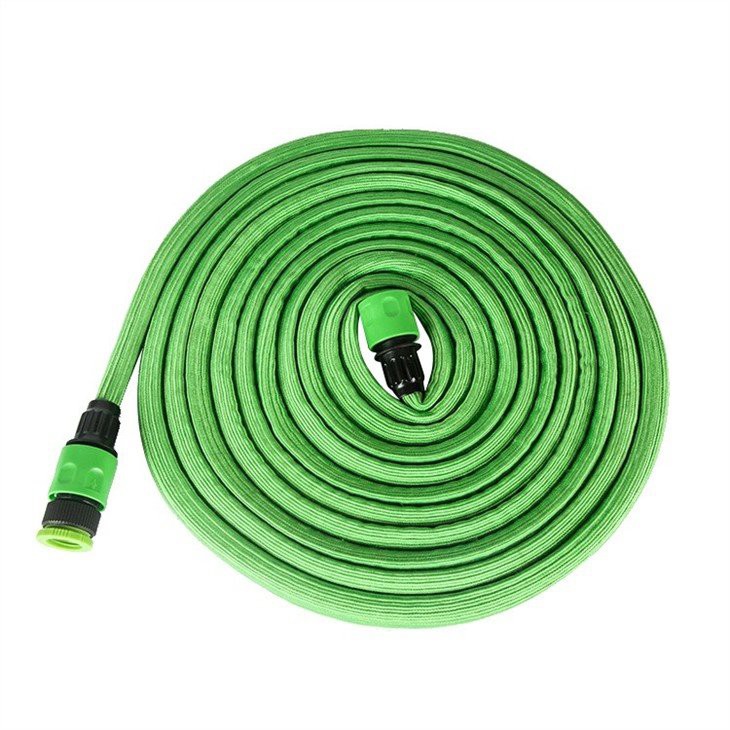

First, disconnect the collapsible hose from the water source and any other attachments. Make sure to drain all the remaining water from the hose. You can do this by gently squeezing the hose or holding it at an angle to let the water flow out.
Step 2: Exterior Cleaning
Begin by inspecting the exterior of the hose for any visible dirt, mud, or grime. Dip the soft - bristled brush into the warm, soapy water and gently scrub the entire length of the hose. Pay special attention to areas that are more likely to get dirty, such as the ends and any kinked sections. The soft bristles will help remove dirt without scratching the hose material.
As you scrub, you may notice some stubborn stains. For these, you can let the soapy water sit on the stain for a few minutes to loosen it up before scrubbing again. Once you've scrubbed the entire hose, rinse it thoroughly with the garden hose. Use the high - pressure nozzle attachment to ensure that all the soap and dirt are removed.
Step 3: Interior Cleaning
Cleaning the inside of the collapsible hose is equally important. One effective method is to use a mixture of vinegar and water. Vinegar is a natural cleaning agent that can dissolve mineral deposits and kill bacteria. Mix equal parts of white vinegar and water in a large bucket.
Submerge one end of the collapsible hose into the vinegar - water solution and use a funnel to pour the solution into the hose. Fill the hose about halfway with the solution and then create a siphoning effect by raising and lowering the hose to make the solution move through the hose. Let the solution sit in the hose for about 30 minutes to an hour.
After the soaking time, drain the vinegar - water solution from the hose. Then, rinse the hose thoroughly with clean water using the garden hose. You may need to repeat this process a few times to ensure that all the vinegar smell and any remaining deposits are removed.
Another option for interior cleaning is to use a hose cleaning kit, which typically includes a cleaning rod and brushes designed to fit inside the hose. Insert the cleaning rod with the brush attachment into the hose and move it back and forth to scrub the interior walls. This method can be especially useful for removing stubborn debris.
Step 4: Drying
Proper drying is crucial to prevent mold and mildew growth. After rinsing the hose, gently squeeze out as much water as possible. Then, hang the hose in a well - ventilated area, preferably in the sun. Make sure the hose is straight and not kinked to allow for even drying.
If you don't have access to direct sunlight, you can use a fan to speed up the drying process. Let the hose dry completely before storing it. This may take a few hours, depending on the weather conditions.
Step 5: Inspection and Storage
Once the hose is dry, inspect it for any signs of damage, such as cracks, leaks, or worn - out parts. If you notice any issues, it's important to address them promptly. You may need to replace damaged sections or fittings.
When storing the collapsible hose, make sure it is clean and dry. You can coil the hose neatly and store it in a cool, dry place. Avoid storing the hose in direct sunlight or in areas where it can be crushed or damaged.
Tips for Maintaining Your Collapsible Hose
- Regular Use: Using your collapsible hose regularly can help prevent water from stagnating inside, reducing the risk of bacteria growth and mineral deposits.
- Proper Connection: Always make sure the hose is properly connected to the water source and other attachments to avoid leaks.
- Avoid Kinks: Kinks can damage the hose and restrict water flow. When using the hose, try to keep it straight and avoid sharp bends.
Conclusion
Cleaning your collapsible hose is a simple yet important task that can keep your hose in top condition for years to come. By following these steps and tips, you can ensure that your hose remains clean, functional, and efficient.
As a supplier of Collapsible Hose, I'm committed to providing high - quality products and valuable information to our customers. If you're interested in purchasing our collapsible hoses or have any questions about maintenance, please feel free to contact us for further discussion and procurement. We look forward to working with you to meet your gardening and watering needs.
References
- "Gardening Hose Maintenance Guide" - A comprehensive guide on maintaining various types of garden hoses.
- "The Benefits of Using Vinegar for Cleaning" - An article discussing the cleaning properties of vinegar.