

How does a water softener affect the performance of a soaker hose?
Jun 11, 2025
A soaker hose is an essential tool for efficient and effective garden watering. As a supplier of high - quality Soaker Hose, I've witnessed firsthand the impact of water quality on the performance of these hoses. One of the key factors that can significantly influence a soaker hose's performance is the use of a water softener. In this blog, we'll explore how a water softener affects the performance of a soaker hose.

Understanding Soaker Hoses
Before delving into the effects of water softeners, it's important to understand what a soaker hose is and how it works. A soaker hose is a porous tube that allows water to seep out slowly along its entire length. This type of hose is typically placed directly on the ground near the base of plants, providing a gentle and even distribution of water directly to the root zone. This method of watering is not only more efficient than traditional sprinklers but also helps to prevent water waste by reducing evaporation and runoff.
The Role of Water Quality
The quality of the water used with a soaker hose can have a profound impact on its performance. Hard water, which contains high levels of minerals such as calcium and magnesium, can cause several problems for soaker hoses. These minerals can build up inside the hose over time, clogging the pores and reducing the flow of water. As a result, the hose may not distribute water evenly, leading to dry spots in the garden and potentially causing damage to plants.
How Water Softeners Work
A water softener is a device that removes the minerals responsible for hard water. It typically works through a process called ion exchange, where the calcium and magnesium ions in the water are replaced with sodium or potassium ions. By removing these minerals, the water becomes "soft," which can have several benefits for both household appliances and plumbing systems, as well as for soaker hoses.
Positive Effects of Water Softeners on Soaker Hoses
1. Reduced Clogging
One of the most significant benefits of using a water softener with a soaker hose is the reduction in clogging. Since soft water contains fewer minerals, there is less chance of mineral deposits forming inside the hose. This means that the pores of the soaker hose will remain open, allowing water to flow freely and evenly along the entire length of the hose. As a result, your plants will receive a consistent supply of water, promoting healthy growth.
2. Extended Hose Lifespan
Clogging can not only affect the performance of a soaker hose but also shorten its lifespan. When the pores of the hose become clogged, the pressure inside the hose can increase, which may cause the hose to burst or develop leaks. By using a water softener to prevent clogging, you can extend the life of your soaker hose, saving you money in the long run.
3. Improved Water Distribution
With a clogged soaker hose, water may only be able to seep out from certain areas, leaving other parts of the garden dry. Soft water, on the other hand, ensures that water is distributed evenly across the entire length of the hose. This is especially important for large gardens or areas with a high density of plants, where uniform watering is crucial for the health of the plants.
4. Enhanced Plant Health
Since soft water allows for better water distribution, plants are more likely to receive the right amount of water they need. This can lead to improved plant health, as proper watering is essential for photosynthesis, nutrient uptake, and overall growth. Additionally, soft water may also be more beneficial for plants in terms of nutrient availability, as some minerals in hard water can interfere with the absorption of nutrients by plant roots.
Potential Negative Effects and Considerations
While there are many benefits to using a water softener with a soaker hose, there are also a few potential negative effects and considerations to keep in mind.
1. Sodium Content
Water softeners typically use sodium or potassium ions to replace the calcium and magnesium ions in hard water. As a result, softened water may contain higher levels of sodium. While this is generally not a problem for most plants, some salt - sensitive plants may be negatively affected. If you have salt - sensitive plants in your garden, you may need to consider using a different water source or a water softener that uses potassium instead of sodium.
2. Cost
Installing a water softener can be expensive, both in terms of the initial purchase cost and the ongoing maintenance and operating costs. Additionally, the salt or potassium used in the water softening process needs to be replenished regularly, which can add to the overall cost. Before investing in a water softener, it's important to weigh the benefits against the costs and determine if it's a worthwhile investment for your garden.
3. Environmental Impact
The use of water softeners can also have an environmental impact. The salt or potassium used in the water softening process is eventually discharged into the environment, which can have negative effects on soil and water quality. Additionally, the energy required to operate a water softener can contribute to greenhouse gas emissions. When considering a water softener, it's important to choose a model that is energy - efficient and environmentally friendly.
Complementary Products
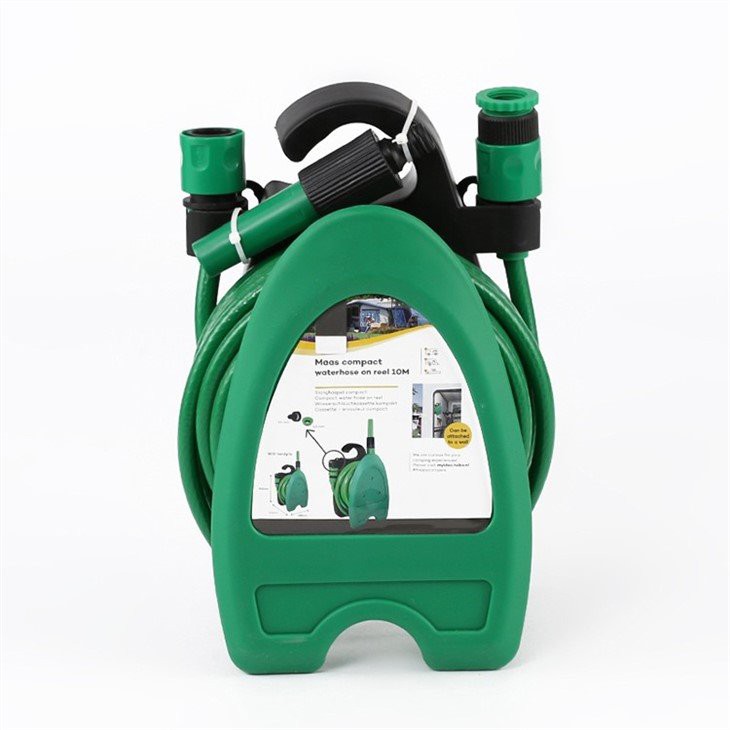
In addition to soaker hoses, we also offer a range of related products that can enhance your gardening experience. Our PVC Water Hose Cart provides a convenient way to store and transport your hose, keeping it organized and easily accessible. And our Plastic Hose Pipe is a versatile option for various watering applications, whether you're using it with a soaker hose or other watering devices.
Conclusion
In conclusion, a water softener can have a significant impact on the performance of a soaker hose. By reducing clogging, extending the hose lifespan, improving water distribution, and enhancing plant health, a water softener can help you get the most out of your soaker hose. However, it's important to consider the potential negative effects, such as the sodium content of softened water, the cost of installation and maintenance, and the environmental impact.
If you're interested in learning more about our soaker hoses or other gardening products, or if you have any questions about how water softeners can affect the performance of your soaker hose, we encourage you to reach out to us for a purchase negotiation. Our team of experts is ready to assist you in finding the best solutions for your gardening needs.
References
- "Water Quality and Its Effects on Plants." Horticulture Research Journal.
- "The Impact of Water Softeners on Household Plumbing Systems." Plumbing Science Review.
- "Ion Exchange Water Softening: Principles and Applications." Water Treatment Technology Journal.