

How to choose a hose connector based on the hose material?
Jul 25, 2025
Hey there! I'm a supplier of hose connectors, and I've seen firsthand how crucial it is to pick the right connector for your hose. The material of your hose plays a huge role in this decision, and in this blog, I'll walk you through everything you need to know about choosing a hose connector based on the hose material.
Let's start by understanding why the hose material matters so much. Different hose materials have unique properties like flexibility, durability, chemical resistance, and pressure tolerance. If you don't match the connector to the hose material, you could end up with leaks, breaks, or a connection that just doesn't last. So, it's super important to get this right.
Rubber Hoses
Rubber hoses are pretty common. They're flexible, which makes them great for all sorts of applications, from watering your garden to industrial use. But they also have some limitations. Rubber can degrade over time, especially when exposed to harsh chemicals or extreme temperatures.
When you're choosing a connector for a rubber hose, you want something that can seal well and withstand some movement. A good option is a barbed connector. These connectors have ridges that grip into the rubber hose, creating a tight seal. You can also use clamps to secure the connection even more.
Another thing to consider is the type of rubber. There are different kinds, like natural rubber, synthetic rubber, and EPDM rubber. EPDM rubber is resistant to weather, ozone, and many chemicals, so if you're using an EPDM rubber hose, you'll want a connector that can handle those conditions. For example, a stainless - steel connector would be a great choice because it's corrosion - resistant.

If you need to repair a rubber hose, check out the Hose Repairer. It's a handy tool that can help you fix small leaks or breaks in your rubber hose.
PVC Hoses
PVC hoses are lightweight, affordable, and resistant to many chemicals. They're often used in irrigation systems, aquariums, and some industrial applications. But PVC can be a bit brittle, especially in cold temperatures.
For PVC hoses, you'll want a connector that provides a smooth transition and doesn't cause the hose to crack. A push - fit connector is a popular choice. These connectors are easy to install. You just push the hose onto the connector, and it forms a tight seal. They're also designed to minimize stress on the PVC hose.
If you're using a PVC hose for a water - related application, you might want to consider a Water Dropper Set. It can be attached to the hose using a compatible connector and is great for precise watering.
Metal Hoses
Metal hoses are known for their strength and durability. They can handle high pressures and extreme temperatures, making them ideal for industrial applications like oil and gas, chemical processing, and automotive.
When it comes to metal hoses, you need a connector that can match the strength and integrity of the hose. Welded connectors are often used for metal hoses. They create a permanent and strong connection. However, welding requires special skills and equipment.
If you don't want to weld, a threaded connector can also work. You can thread the connector onto the metal hose, and it provides a reliable connection. Just make sure to use a thread sealant to prevent leaks.
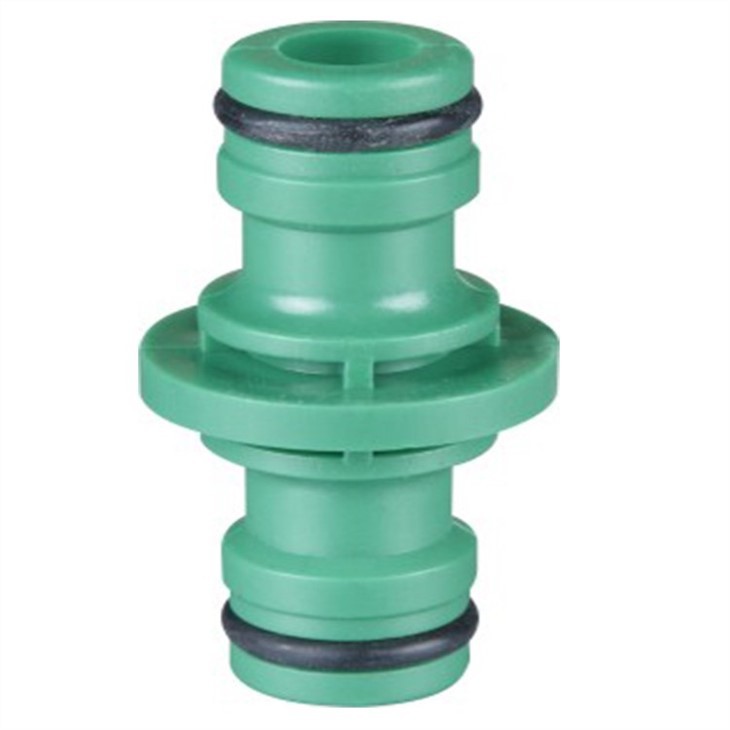
For applications where you need to split the flow of the fluid in the metal hose, a Two Way Connector can be a great addition.
Fabric - Reinforced Hoses
Fabric - reinforced hoses are a combination of a flexible inner tube and a fabric layer for added strength. They're commonly used in pneumatic systems, where air pressure is involved.
These hoses need connectors that can grip the fabric layer without damaging it. A crimp - on connector is a good option. You use a crimping tool to attach the connector to the hose. The crimping process compresses the connector onto the hose, creating a strong and leak - proof connection.
Considerations for All Hose Materials
No matter what type of hose material you're using, there are a few general things to keep in mind when choosing a connector:
Size: The connector must be the right size for your hose. If it's too big, the connection won't be tight, and you'll get leaks. If it's too small, you might damage the hose when trying to attach the connector.
Pressure Rating: Make sure the connector can handle the pressure that your hose will be under. Using a connector with a lower pressure rating than your hose can lead to failures.
Chemical Compatibility: If your hose is carrying chemicals, the connector must be resistant to those chemicals. Otherwise, the connector could corrode or degrade, causing leaks.
Making the Right Choice
Picking the right hose connector based on the hose material might seem a bit overwhelming at first, but it doesn't have to be. Just think about the properties of your hose material, like flexibility, durability, and chemical resistance. Then, match those properties with the right type of connector.
If you're still not sure which connector is best for your hose, don't hesitate to reach out. I'm here to help you make the right decision. Whether you're a homeowner looking for a garden hose connector or an industrial client in need of high - pressure connectors, I've got the products and the knowledge to assist you.
We have a wide range of hose connectors in stock, and we can also offer custom - made solutions if you have specific requirements. So, if you're in the market for hose connectors, let's start a conversation. We can discuss your needs, and I'll help you find the perfect connector for your hose.
References
- "Hose Fitting Handbook" by Parker Hannifin Corporation
- "Industrial Hoses: Selection, Installation, and Maintenance" by various industry experts