

How to detect if a PVC braided hose is damaged?
Sep 01, 2025
As a supplier of PVC braided hoses, I understand the importance of ensuring the quality and integrity of these products. PVC braided hoses are widely used in various industries, including agriculture, manufacturing, and automotive, due to their flexibility, durability, and resistance to chemicals. However, like any product, they can become damaged over time, which can lead to leaks, reduced performance, and even safety hazards. In this blog post, I will share some tips on how to detect if a PVC braided hose is damaged.
Visual Inspection
The first step in detecting damage to a PVC braided hose is to conduct a visual inspection. Start by examining the exterior of the hose for any signs of wear, tear, or damage. Look for cuts, abrasions, punctures, or cracks on the surface of the hose. These can be caused by physical contact with sharp objects, rubbing against rough surfaces, or exposure to extreme temperatures.

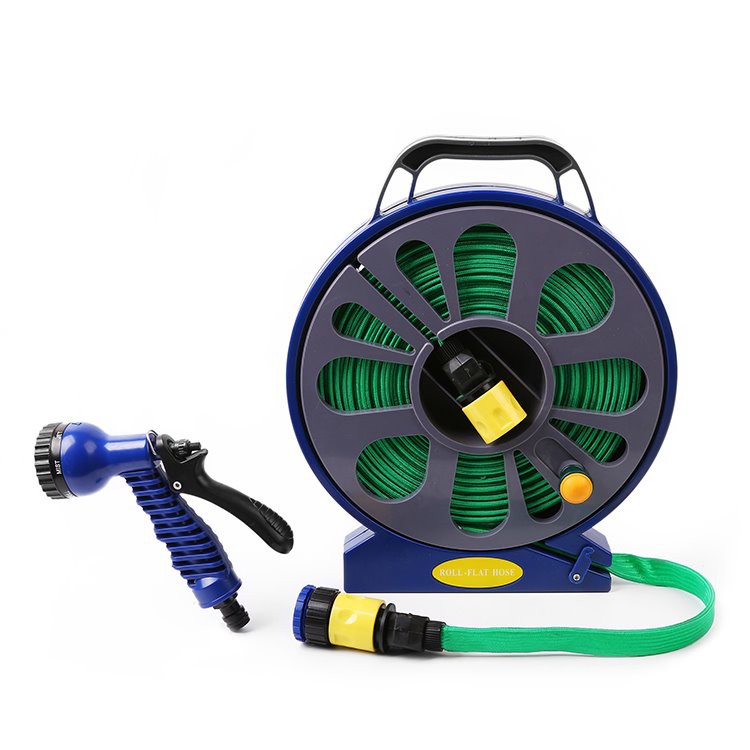
In addition to surface damage, check for any signs of bulges or blisters on the hose. These can indicate internal damage or a compromise in the structural integrity of the hose. Bulges or blisters can be caused by excessive pressure, chemical reactions, or manufacturing defects.
Another important aspect of visual inspection is to check the fittings and connections of the hose. Look for any signs of leakage, corrosion, or loose connections. Leaks can be caused by damaged seals, improper installation, or worn-out fittings. Corrosion can weaken the fittings and lead to leaks or even failure of the hose. Loose connections can also cause leaks and reduce the efficiency of the hose.
Pressure Testing
In addition to visual inspection, pressure testing is another effective way to detect damage to a PVC braided hose. Pressure testing involves applying a controlled amount of pressure to the hose and monitoring for any signs of leakage or failure. This can help identify hidden damage or weaknesses in the hose that may not be visible during a visual inspection.
To perform a pressure test, you will need a pressure testing kit, which typically includes a pressure gauge, a pump, and a set of fittings. Start by connecting the pressure testing kit to the hose and ensuring that all connections are tight. Then, slowly increase the pressure to the recommended level for the hose. This information can usually be found in the manufacturer's specifications or on the hose itself.
Once the pressure has reached the recommended level, hold it for a specified period of time, usually a few minutes. During this time, carefully monitor the pressure gauge for any signs of a drop in pressure. A drop in pressure can indicate a leak in the hose or a problem with the fittings. If you notice a drop in pressure, immediately stop the test and inspect the hose and fittings for damage.
Flexibility and Bend Testing
PVC braided hoses are designed to be flexible and able to bend without kinking or breaking. However, over time, the flexibility of the hose can be affected by factors such as exposure to heat, chemicals, or physical stress. To detect if a PVC braided hose has lost its flexibility or is prone to kinking, you can perform a flexibility and bend testing.
To perform a flexibility test, simply try to bend the hose at various angles and see how easily it bends. A healthy PVC braided hose should be able to bend without kinking or cracking. If you notice that the hose is stiff or difficult to bend, it may be a sign of damage or degradation.
In addition to flexibility testing, you can also perform a bend testing to check for any signs of kinking or damage. To do this, bend the hose sharply at a 90-degree angle and hold it in that position for a few seconds. Then, straighten the hose and check for any signs of kinking or damage. If you notice any kinks or damage, it may be a sign that the hose is no longer suitable for use.
Chemical Resistance Testing
PVC braided hoses are often used in applications where they come into contact with various chemicals. Over time, exposure to chemicals can cause the hose to degrade or become damaged. To detect if a PVC braided hose has been affected by chemical exposure, you can perform a chemical resistance testing.
To perform a chemical resistance test, you will need to select a sample of the hose and expose it to the chemical or chemicals that it is likely to come into contact with in its intended application. The exposure time and concentration of the chemical will depend on the specific chemical and the intended use of the hose.
After the exposure period, carefully examine the sample of the hose for any signs of damage or degradation. Look for changes in the color, texture, or flexibility of the hose. You may also notice signs of swelling, cracking, or blistering. If you notice any of these signs, it may be a sign that the hose is not suitable for use with the chemical or chemicals in question.
Conclusion
Detecting damage to a PVC braided hose is an important part of ensuring the safety and efficiency of your operations. By conducting regular visual inspections, pressure testing, flexibility and bend testing, and chemical resistance testing, you can identify any signs of damage or degradation early on and take appropriate action to prevent further damage or failure.
If you are in the market for high-quality PVC braided hoses, Reinforced Braided PVC Hose are a great option. They are designed to be durable, flexible, and resistant to chemicals, making them suitable for a wide range of applications. And if you need a convenient way to store and manage your hoses, consider investing in a PVC Hose Reel.
If you have any questions or would like to learn more about our PVC braided hoses or other products, please feel free to contact us. We would be happy to assist you with your procurement needs and provide you with the information and support you need to make an informed decision.
References
- Manufacturer's specifications and guidelines for PVC braided hoses
- Industry standards and best practices for hose inspection and testing
- Technical literature and research on the properties and performance of PVC braided hoses