

How to ensure a hose connector meets safety standards?
Jun 06, 2025
Hey there! As a hose connector supplier, I know how crucial it is to ensure that our products meet safety standards. After all, a faulty hose connector can lead to all sorts of problems, from leaks and spills to more serious safety hazards. In this blog post, I'll share some tips on how to make sure your hose connectors are up to snuff.
Understanding Safety Standards
First things first, it's important to understand what safety standards are and why they matter. Safety standards are a set of rules and guidelines that products must meet to ensure they're safe for use. These standards are developed by various organizations, such as the International Organization for Standardization (ISO), the American National Standards Institute (ANSI), and the Occupational Safety and Health Administration (OSHA).
When it comes to hose connectors, there are several safety standards that you should be aware of. For example, the ISO 14743 standard covers hydraulic fluid power - quick - action couplings for use with petroleum base or water - based fluids. ANSI has standards for different types of hoses and connectors in various industries, like plumbing and automotive.
As a supplier, we make it our top priority to stay updated on these standards. We work closely with regulatory bodies and industry experts to ensure that our products comply with the latest safety requirements.
Material Selection
One of the key factors in ensuring a hose connector meets safety standards is the material it's made from. Different applications require different materials, and choosing the wrong one can compromise safety.
For example, if you're using a hose connector for a high - pressure hydraulic system, you'll need a connector made from a strong and durable material like stainless steel or high - grade alloy. These materials can withstand the high pressures without cracking or failing.
On the other hand, for a low - pressure water system, a connector made from plastic or brass might be sufficient. However, even with these materials, you need to ensure that they're of good quality and can resist corrosion and wear.
We carefully select the materials for our hose connectors based on the intended application. We source our materials from trusted suppliers and conduct rigorous quality checks to make sure they meet our high standards.
Design and Manufacturing
The design and manufacturing process of a hose connector also play a vital role in its safety. A well - designed connector should be easy to install, use, and maintain, while also providing a secure and leak - free connection.
During the design phase, we use advanced computer - aided design (CAD) software to create connectors that are optimized for performance and safety. We take into account factors such as pressure ratings, flow rates, and compatibility with different hoses.
In the manufacturing process, we use state - of - the - art equipment and techniques to ensure precision and consistency. Our manufacturing facilities are equipped with quality control systems that monitor every step of the production process. This helps us identify and correct any potential issues before the connectors leave our factory.
Testing and Certification
Testing is an essential part of ensuring that a hose connector meets safety standards. We conduct a variety of tests on our products to verify their performance and safety.
Some of the common tests we perform include pressure testing, leak testing, and fatigue testing. Pressure testing involves subjecting the connector to a specified pressure to ensure it can withstand the intended operating conditions without failure. Leak testing is used to check for any leaks in the connection, which could lead to fluid loss or other safety issues. Fatigue testing simulates the repeated use of the connector over time to ensure it doesn't develop cracks or other defects.
Once our products pass these tests, we seek certification from recognized third - party organizations. Certification is a mark of quality and assurance that our products meet the relevant safety standards.
Training and Support
As a supplier, we also provide training and support to our customers. We believe that proper installation and use of our hose connectors are just as important as the quality of the products themselves.
We offer training programs for our customers on how to install, maintain, and troubleshoot our hose connectors. These programs cover topics such as proper tightening torque, inspection procedures, and safety precautions.

In addition, our customer support team is always available to answer any questions or concerns our customers may have. We want to make sure that our customers have all the information they need to use our products safely and effectively.
Product Range
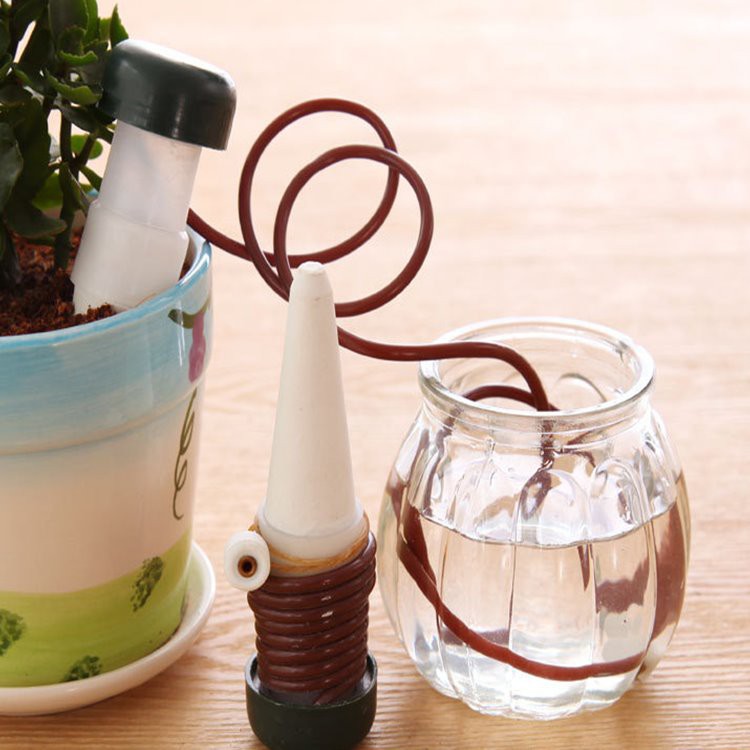
We offer a wide range of hose connectors to meet the diverse needs of our customers. Some of our popular products include the Two Way Connector, which is great for creating simple connections between two hoses; the Hose Repairer, which can quickly fix a damaged hose; and the Water Dropper Set, ideal for watering plants in a controlled manner.
Conclusion
Ensuring a hose connector meets safety standards is a multi - faceted process that involves material selection, design, manufacturing, testing, and support. As a supplier, we're committed to providing our customers with high - quality, safe, and reliable hose connectors.
If you're in the market for hose connectors, we'd love to hear from you. Whether you're a small business or a large industrial operation, we have the products and expertise to meet your needs. Contact us today to discuss your requirements and start a procurement negotiation. We're confident that you'll be satisfied with our products and services.
References
- International Organization for Standardization (ISO). Various standards related to hose connectors.
- American National Standards Institute (ANSI). Standards for hoses and connectors in different industries.
- Occupational Safety and Health Administration (OSHA). Safety regulations for workplace equipment, including hose connectors.