

What are the environmental impacts of hose connectors?
May 22, 2025
As a hose connector supplier, I've witnessed firsthand the widespread use of these seemingly simple components in various industries and applications. While hose connectors play a crucial role in facilitating fluid transfer, it's essential to recognize their environmental impacts. In this blog, I'll explore the environmental implications of hose connectors, from raw material extraction to end - of - life disposal.
Raw Material Extraction and Production
The production of hose connectors begins with the extraction of raw materials. Common materials used for hose connectors include metals such as brass, stainless steel, and aluminum, as well as plastics like PVC and nylon.
Metal Extraction
Mining operations for metals are resource - intensive and can have significant environmental impacts. For example, copper, a key component in brass, is typically mined through open - pit or underground mining methods. These operations often require large amounts of water, energy, and chemicals. The extraction process can lead to soil erosion, deforestation, and water pollution. Heavy metals and other contaminants can leach into nearby water sources, affecting aquatic ecosystems and human health.
Moreover, the energy required for metal refining and processing is substantial. High - temperature smelting and forging processes consume large amounts of fossil fuels, contributing to greenhouse gas emissions and climate change.
Plastic Production
Plastic hose connectors are made from petrochemicals, which are derived from crude oil and natural gas. The extraction and refining of these fossil fuels are major sources of environmental degradation. Drilling operations can cause oil spills, habitat destruction, and air pollution. Additionally, the production of plastics generates a significant amount of waste and emissions. The polymerization process used to create plastics requires large amounts of energy and often involves the use of toxic chemicals.
Manufacturing Processes
Once the raw materials are obtained, they undergo various manufacturing processes to create hose connectors. These processes can also have environmental consequences.
Machining and Forming
For metal hose connectors, machining operations such as cutting, drilling, and milling are commonly used. These processes generate metal shavings and waste, which need to be properly managed. If not recycled or disposed of correctly, these metal scraps can end up in landfills, contributing to the depletion of natural resources.
In the case of plastic hose connectors, injection molding is a popular manufacturing method. This process involves heating the plastic resin to a molten state and injecting it into a mold. The energy consumption during this process is relatively high, and the production of molds also requires significant resources.
Surface Treatment
Many hose connectors undergo surface treatment processes such as plating or coating to improve their corrosion resistance and appearance. Electroplating, for example, involves the deposition of a thin layer of metal onto the surface of the connector using an electric current. This process requires the use of chemicals, including heavy metals and acids, which can be hazardous to the environment if not properly managed. Wastewater from electroplating operations needs to be treated to remove contaminants before being discharged.
Usage and Leakage
During their use, hose connectors can have environmental impacts, especially if they are not properly installed or maintained.
Fluid Leakage
One of the most significant environmental concerns associated with hose connectors is fluid leakage. Whether it's water, oil, chemicals, or other fluids, leaks can contaminate soil, water bodies, and the air. For example, in industrial settings, a leak of hydraulic fluid can cause soil and groundwater pollution. In agricultural applications, a leak in an irrigation system can lead to water wastage and the over - application of fertilizers and pesticides.
Regular maintenance and inspection of hose connectors are essential to prevent leaks. Using high - quality connectors and proper installation techniques can also reduce the risk of leakage. However, even with the best practices, wear and tear over time can still lead to leaks.
End - of - Life Disposal
When hose connectors reach the end of their useful life, proper disposal is crucial to minimize their environmental impact.
Landfill Disposal
If hose connectors are disposed of in landfills, they can take a long time to decompose, especially if they are made of metals or plastics. Landfills are a major source of environmental pollution, as they can release greenhouse gases such as methane, a potent contributor to climate change. Additionally, the leaching of chemicals from discarded hose connectors can contaminate soil and groundwater.
Recycling
Recycling is a more environmentally friendly option for hose connectors. Metals can be melted down and reused to make new products, reducing the need for virgin materials. Recycling plastic hose connectors is more challenging, as different types of plastics need to be separated and processed using specialized techniques. However, with the development of advanced recycling technologies, more plastic hose connectors are being recycled.
Mitigating the Environmental Impacts
As a hose connector supplier, I'm committed to minimizing the environmental impacts of our products. Here are some ways we and our customers can contribute to a more sustainable future:
Using Sustainable Materials
We are exploring the use of more sustainable materials in our hose connectors. For example, we are looking into the use of recycled metals and bio - based plastics. Recycled metals require less energy to produce compared to virgin metals, and bio - based plastics are derived from renewable resources and have a lower carbon footprint.
Improving Manufacturing Efficiency
We are constantly working to improve our manufacturing processes to reduce energy consumption and waste generation. This includes investing in more energy - efficient equipment, optimizing production schedules, and implementing waste reduction measures.
Promoting Proper Use and Maintenance
We provide our customers with detailed installation and maintenance instructions to ensure that our hose connectors are used correctly and last longer. By reducing the frequency of replacement, we can minimize the environmental impact associated with production and disposal.

Encouraging Recycling
We are actively promoting the recycling of our hose connectors. We work with recycling facilities to ensure that our products are properly recycled at the end of their life. We also encourage our customers to return used connectors to us for recycling.
Our Product Range
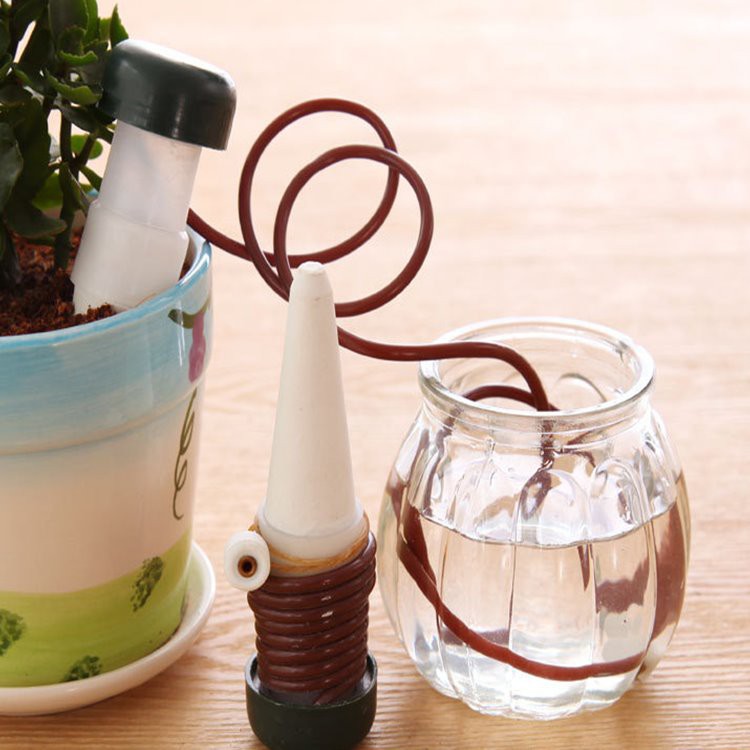
We offer a wide range of hose connectors to meet the diverse needs of our customers. Some of our popular products include the Water Dropper Set, which is ideal for precise water delivery in gardening and irrigation applications. The Two Way Connector allows for easy connection of two hoses, providing flexibility in fluid transfer systems. And our Hose Repairer is a cost - effective solution for fixing damaged hoses, extending their lifespan and reducing waste.
Contact Us for Sustainable Hose Connectors
If you're looking for high - quality, environmentally friendly hose connectors, we'd love to hear from you. Whether you're in the industrial, agricultural, or residential sector, we have the right products to meet your needs. By choosing our hose connectors, you're not only getting reliable products but also contributing to a more sustainable future. Contact us today to discuss your requirements and start a procurement conversation.
References
- Smith, J. (2018). Environmental Impact of Metal Mining. Journal of Environmental Science and Technology, 25(3), 123 - 135.
- Johnson, A. (2019). Plastic Production and its Environmental Consequences. Plastic Research Review, 12(4), 201 - 215.
- Brown, C. (2020). Recycling Technologies for Industrial Products. Sustainable Manufacturing Journal, 8(2), 89 - 102.