

What are the signs of a bad hose connection?
May 23, 2025
Hey there! As a Hose Repairer supplier, I've seen my fair share of bad hose connections over the years. In this blog, I'm gonna share with you the signs that indicate you might have a problem with your hose connection. Whether you're using hoses for gardening, industrial purposes, or any other application, these signs are universal and can save you a lot of hassle in the long run.

1. Leaks
The most obvious sign of a bad hose connection is a leak. You might notice water or whatever fluid the hose is carrying dripping or spraying from the connection point. Leaks can happen for a few reasons. First off, the hose might not be properly tightened onto the fitting. Sometimes, a quick twist to snug it up can do the trick. But if that doesn't work, it could be that the hose or the fitting is damaged. Cracks, cuts, or worn - out seals can all lead to leaks.
For example, if you're using a Hose Repairer to fix a damaged hose, but the connection between the repairer and the hose isn't right, you'll definitely have a leak. A simple visual inspection can often reveal if there are any visible signs of damage. Look for wet spots around the connection, and if you see any, it's time to take action.
2. Reduced Pressure
Another tell - tale sign is a significant drop in pressure. If you're using a hose to water your garden and you notice that the water isn't coming out as strongly as it used to, it could be due to a bad connection. When there's a problem with the connection, the flow of the fluid can be restricted.
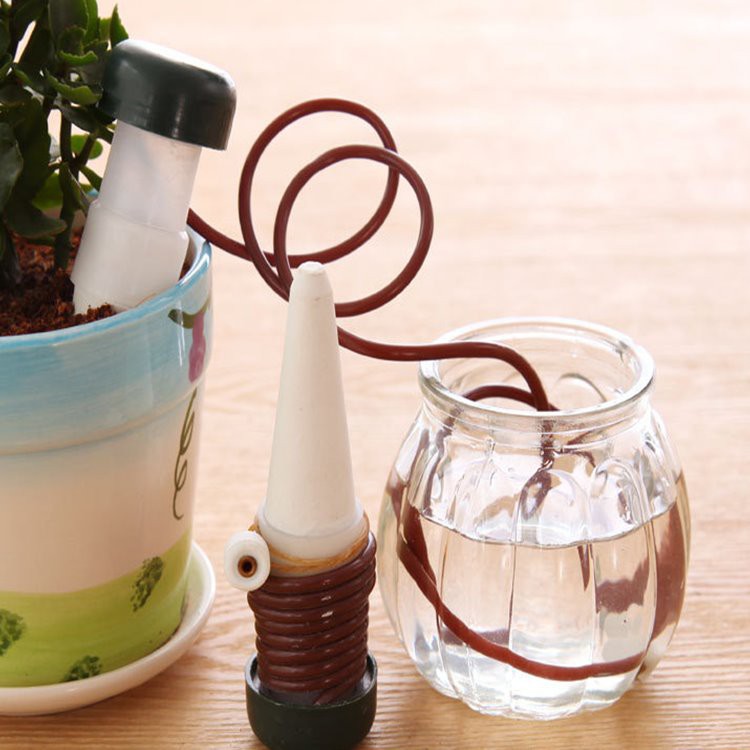
This could be because of a partial blockage at the connection point. Maybe some debris has gotten stuck between the hose and the fitting, or the connection isn't properly aligned, causing the fluid to have a harder time flowing through. If you have a Water Dropper Set and you're experiencing reduced pressure, it can affect the efficiency of your watering system.
3. Strange Noises
Do you hear any hissing, rattling, or other strange noises coming from the hose connection? Hissing is often a sign of a leak, as the fluid is escaping under pressure. Rattling, on the other hand, could mean that the connection isn't secure. The hose might be vibrating against the fitting, which can loosen the connection over time.
If you ignore these noises, the problem can get worse. The vibrations can cause further damage to the hose or the fitting, and a small leak can turn into a big one. So, if you hear anything out of the ordinary, it's a good idea to check the connection right away.
4. Visible Wear and Tear
Take a close look at the hose connection. Are there any signs of wear and tear? This could include frayed edges on the hose, corrosion on the fitting, or a damaged seal. Over time, hoses and fittings are exposed to the elements, chemicals, and constant use, which can all take a toll on them.
For instance, if you're using hoses in an industrial setting where they're exposed to harsh chemicals, the materials can break down faster. And if you're using a Two Way Connector, it's important to make sure that both connections are in good condition. Any signs of wear should be addressed promptly to avoid further problems.
5. Difficulty in Disconnecting or Reconnecting
If you're having a hard time disconnecting or reconnecting the hose, it could be a sign of a bad connection. This could be due to a buildup of dirt or debris, or the connection might be too tight or too loose. A connection that's too tight can damage the hose or the fitting when you try to disconnect it, while a loose connection can cause leaks.
If you find yourself struggling with the connection, it's worth taking a few minutes to clean the connection points and make sure they're properly aligned. Sometimes, a little bit of lubrication can also help make the process smoother.
Why These Signs Matter
You might be wondering why it's so important to pay attention to these signs. Well, a bad hose connection can lead to a lot of problems. Leaks can waste a significant amount of water or other fluids, which is not only bad for the environment but also for your wallet. Reduced pressure can affect the performance of your equipment, whether it's a garden sprinkler or an industrial machine.
Strange noises and visible wear and tear are indicators that the problem could get worse if not addressed. And difficulty in disconnecting or reconnecting can make maintenance and repairs a real pain. So, by spotting these signs early, you can save yourself time, money, and a lot of headaches.
How We Can Help
As a Hose Repairer supplier, we have a wide range of products to help you fix and maintain your hose connections. Our Hose Repairer is designed to quickly and easily repair damaged hoses, ensuring a tight and secure connection. The Water Dropper Set is perfect for efficient watering systems, and our Two Way Connector allows you to connect multiple hoses together.
If you're experiencing any of the signs of a bad hose connection that I've mentioned in this blog, don't hesitate to reach out. We're here to provide you with the best solutions for your hose - related problems. Whether you need advice on which product to choose or you want to place an order, we're just a message away. Contact us to start a procurement discussion and let's find the perfect hose solutions for you.
References
- "Hose Fitting Handbook" - A comprehensive guide on hose fittings and connections.
- Industry reports on hose maintenance and repair best practices.