

What is the flame retardancy of a Two Way Connector?
Jun 09, 2025
Flame retardancy is a crucial characteristic in various industries, especially when it comes to electrical and mechanical components. As a supplier of Two Way Connector, understanding the flame retardancy of our products is essential for ensuring safety and compliance in different applications.
Understanding Flame Retardancy
Flame retardancy refers to the ability of a material to resist the spread of fire or prevent ignition altogether. In the context of a Two Way Connector, this property is vital because connectors are often used in environments where there is a risk of fire, such as electrical panels, industrial machinery, and automotive applications.
There are several mechanisms through which a material can exhibit flame retardancy. One common method is the use of flame retardant additives. These additives work by interfering with the chemical reactions that occur during combustion. For example, some additives release gases when heated, which can dilute the oxygen around the material and suppress the fire. Others form a protective char layer on the surface of the material, which acts as a barrier between the flames and the underlying polymer.
Flame Retardancy in Two Way Connectors
In the manufacturing of Two Way Connectors, we use a combination of materials and design features to achieve the desired level of flame retardancy. The choice of materials is critical, as different polymers have different inherent flammability characteristics. For instance, some engineering plastics, such as polycarbonate and polyamide, are known for their relatively good flame retardant properties.
We also incorporate flame retardant additives into the polymer matrix during the manufacturing process. These additives are carefully selected based on their effectiveness, compatibility with the polymer, and environmental impact. By using the right combination of materials and additives, we can ensure that our Two Way Connectors meet or exceed the relevant industry standards for flame retardancy.
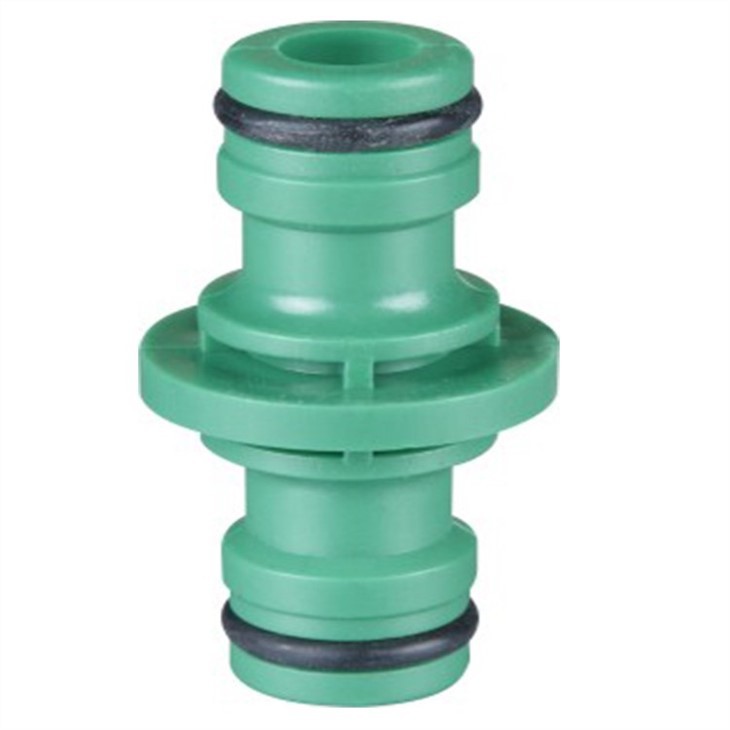

Industry Standards for Flame Retardancy
There are several international and national standards that govern the flame retardancy of electrical and mechanical components, including Two Way Connectors. One of the most widely recognized standards is the UL 94 standard, which is developed by Underwriters Laboratories. The UL 94 standard classifies materials based on their flammability performance in a series of tests, including the vertical burn test and the horizontal burn test.
Our Two Way Connectors are tested to meet the UL 94 V-0 classification, which is the highest level of flame retardancy in the UL 94 standard. This means that the connectors will self - extinguish within a short period of time after the ignition source is removed, and they will not drip flaming particles that could ignite other materials.
In addition to the UL 94 standard, there are also other standards that may be applicable depending on the specific application. For example, in the automotive industry, connectors may need to meet the requirements of the FMVSS 302 standard, which focuses on the flammability of interior materials in motor vehicles.
Applications and Benefits of Flame - Retardant Two Way Connectors
The flame retardancy of our Two Way Connectors makes them suitable for a wide range of applications. In the electrical industry, they can be used in power distribution systems, control panels, and lighting fixtures. In these applications, the connectors need to be able to withstand high temperatures and potential electrical arcing without catching fire or spreading flames.
In the industrial sector, Two Way Connectors are used in machinery and equipment where there is a risk of fire due to overheating or electrical malfunctions. By using flame - retardant connectors, manufacturers can reduce the risk of fire and improve the safety of their products.
In the automotive industry, our connectors can be used in various electrical systems, such as the engine control unit, lighting systems, and entertainment systems. The flame retardancy of the connectors helps to ensure the safety of the vehicle and its occupants in the event of a fire.
The benefits of using flame - retardant Two Way Connectors are numerous. Firstly, they provide an additional layer of safety, which is crucial in any application where there is a risk of fire. Secondly, they can help to reduce the risk of property damage and downtime caused by fires. Thirdly, using connectors that meet the relevant flame retardancy standards can help companies to comply with regulatory requirements and avoid potential legal issues.
Complementary Products
As a supplier of Two Way Connectors, we also offer a range of complementary products, such as Water Dropper Set and Hose Repairer. These products are designed to work seamlessly with our Two Way Connectors and can enhance the functionality and safety of the overall system.
The Water Dropper Set can be used in applications where precise water delivery is required, such as in some industrial processes or in agricultural irrigation systems. The Hose Repairer, on the other hand, is a convenient tool for quickly and effectively repairing damaged hoses, which can be an important part of maintaining the integrity of a fluid or gas transfer system.
Conclusion
The flame retardancy of our Two Way Connectors is a key feature that sets them apart in the market. By using high - quality materials, advanced manufacturing techniques, and carefully selected flame retardant additives, we are able to provide connectors that meet the highest industry standards for safety and performance.
Whether you are in the electrical, industrial, or automotive industry, our flame - retardant Two Way Connectors can provide the reliability and safety that you need. If you are interested in learning more about our products or discussing your specific requirements, we encourage you to reach out to us for a detailed procurement discussion. We are committed to providing you with the best solutions for your connector needs.
References
- Underwriters Laboratories. UL 94 Standard for Tests for Flammability of Plastic Materials for Parts in Devices and Appliances.
- Federal Motor Vehicle Safety Standard (FMVSS) 302 - Flammability of Interior Materials.