

What maintenance does an automatic hose reel need?
Jul 15, 2025
As a long - standing supplier of Automatic Hose Reels, I've witnessed firsthand the importance of proper maintenance in ensuring the longevity and optimal performance of these essential tools. In this blog, I'll share comprehensive insights into the maintenance requirements of automatic hose reels, drawing from my years of experience in the industry.
Regular Inspection
The first step in maintaining an automatic hose reel is regular inspection. This should be done at least once a month, or more frequently if the hose reel is used in harsh conditions. Start by visually examining the reel's frame. Check for any signs of cracks, rust, or dents. A damaged frame can compromise the structural integrity of the reel, leading to potential safety hazards and reduced functionality. If you notice any minor rust spots, you can use a wire brush to remove them and then apply a rust - resistant paint to prevent further corrosion.
Next, inspect the hose itself. Look for cuts, abrasions, or leaks. Even a small cut can cause water to seep out, reducing the pressure and efficiency of the hose. Pay special attention to the areas where the hose connects to the reel and the water source. These joints are often under stress and are more prone to damage. If you find a leak, you can try using a hose repair kit to fix it. However, if the damage is extensive, it may be necessary to replace the hose.
Inspect the retraction mechanism of the automatic hose reel. Make sure that the spring or motor, depending on the type of reel, is functioning properly. Check for any signs of wear or damage to the gears, pulleys, or cables. If the retraction is slow or uneven, it could indicate a problem with the mechanism. In such cases, it's best to consult a professional for repair.
Cleaning
Cleaning is another crucial aspect of maintaining an automatic hose reel. After each use, it's important to drain the hose completely. Water left in the hose can freeze in cold weather, causing the hose to burst. It can also lead to the growth of mold and mildew, which can damage the hose and pose health risks.
To clean the hose, you can use a mild detergent and water. Gently scrub the outside of the hose with a soft brush to remove dirt, debris, and any chemical residues. Rinse the hose thoroughly with clean water to ensure that all the detergent is removed. Avoid using harsh chemicals or abrasive cleaners, as they can damage the hose material.
Clean the reel's frame and components as well. Use a damp cloth to wipe away dust and dirt. For stubborn stains, you can use a non - abrasive cleaner. Make sure to dry all the parts completely before storing the hose reel to prevent rust.
Lubrication
Proper lubrication is essential for the smooth operation of an automatic hose reel. The moving parts of the retraction mechanism, such as gears, pulleys, and cables, need to be lubricated regularly. Use a high - quality lubricant that is suitable for the materials used in the reel.

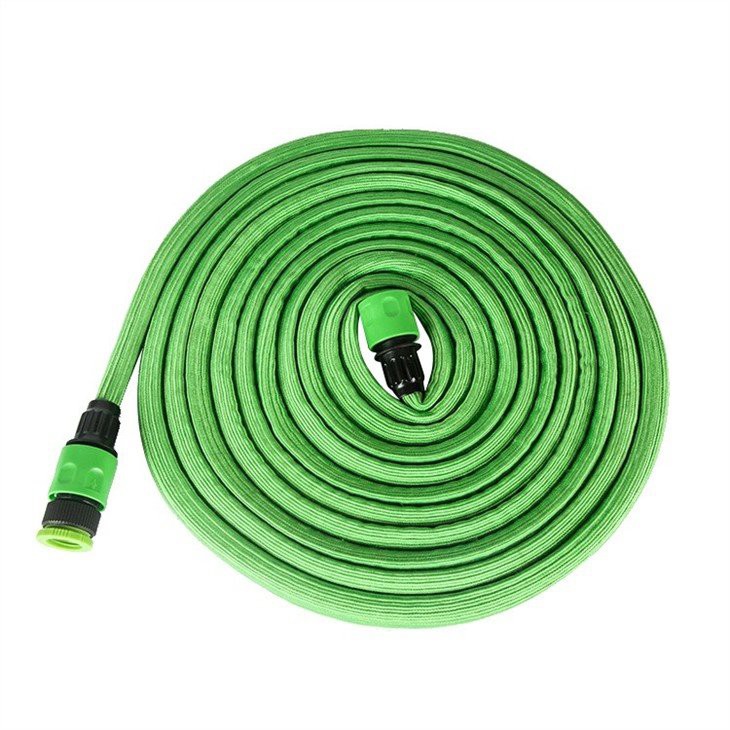
Before applying the lubricant, clean the parts to remove any dirt or debris. Apply a small amount of lubricant to the moving parts and work it in by operating the retraction mechanism a few times. This will ensure that the lubricant is evenly distributed. Avoid over - lubricating, as excess lubricant can attract dirt and cause more problems.
Storage
Proper storage is key to maintaining an automatic hose reel during periods of non - use. Store the hose reel in a dry, sheltered area. If possible, keep it indoors to protect it from the elements. Exposure to sunlight, rain, and extreme temperatures can damage the hose and the reel's components over time.
When storing the hose, make sure it is coiled neatly on the reel. Avoid kinking the hose, as this can cause permanent damage. You can use a hose guide or a storage hanger to keep the hose organized.
If you live in an area with cold winters, it's important to take extra precautions to protect the hose reel from freezing. Drain the hose completely and disconnect it from the water source. You can also store the hose reel in a heated area or use a freeze - resistant hose.
Hose Replacement
Even with proper maintenance, hoses will eventually wear out and need to be replaced. The lifespan of a hose depends on several factors, including the quality of the hose, frequency of use, and the conditions in which it is used. As a general rule, you should replace the hose every 2 - 3 years.
When replacing the hose, make sure to choose a hose that is compatible with your automatic hose reel. Consider the length, diameter, and pressure rating of the hose. You can find a wide range of hoses, including the Collapsible Hose, which offers convenience and flexibility.
Conclusion
Maintaining an automatic hose reel is not a difficult task, but it does require regular attention. By following these maintenance tips, you can ensure that your hose reel remains in good working condition for years to come. Whether you're using the hose reel for gardening, car washing, or industrial applications, proper maintenance will save you time and money in the long run.
If you're in the market for a new automatic hose reel or need replacement parts, I encourage you to reach out to us. Our team of experts is always ready to assist you in finding the right product for your needs. We offer a wide range of high - quality automatic hose reels and accessories at competitive prices. Contact us today to start the procurement negotiation process and take your hose - using experience to the next level.
References
- Industry standards for hose reel maintenance
- Manufacturer's guidelines for automatic hose reels
- Years of personal experience in the automatic hose reel supply industry