

Are there any safety precautions when using a PVC hose reel?
Jul 16, 2025
As a supplier of PVC Hose Reels, I understand the importance of safety when using these products. PVC hose reels are widely used in various industries and domestic settings for tasks such as watering gardens, cleaning vehicles, and industrial fluid transfer. However, like any equipment, they require proper handling to ensure safe operation. In this blog, I will discuss some essential safety precautions that should be taken when using a PVC hose reel.
Inspection Before Use
Before using a PVC hose reel, a thorough inspection is crucial. Check the entire length of the Reinforced Braided PVC Hose for any signs of damage. Look for cuts, abrasions, punctures, or bulges in the hose. These can weaken the structure of the hose and lead to leaks or even burst under pressure.
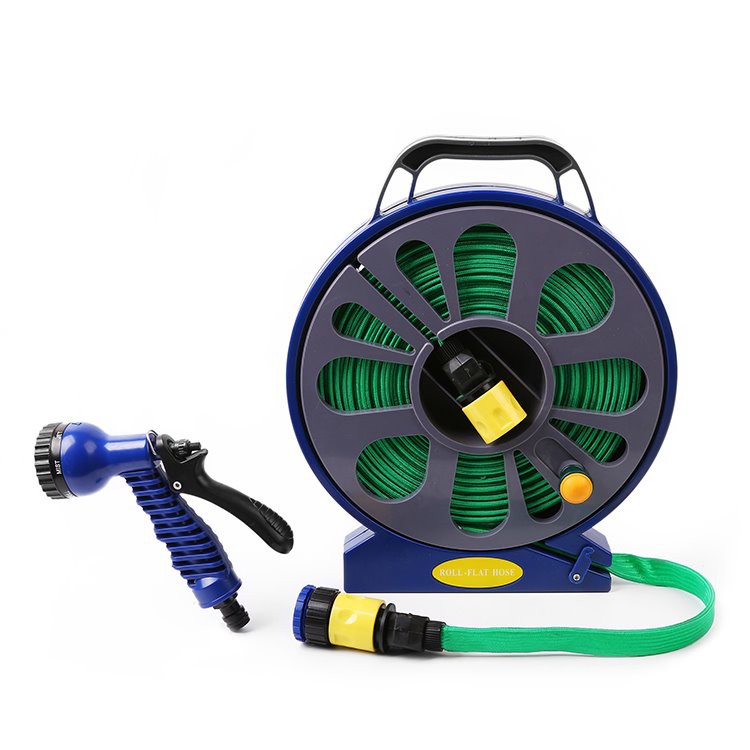
Inspect the reel itself as well. Ensure that the frame is sturdy and free from cracks or bends. Check the swivel joint, which allows the hose to rotate smoothly on the reel. A faulty swivel joint can cause kinks in the hose and make it difficult to unwind or rewind. Also, examine the locking mechanism of the reel to make sure it functions properly. This will prevent the hose from unwinding unexpectedly during use.
Proper Installation
Correct installation of the PVC hose reel is essential for safe and efficient operation. If the reel is to be mounted on a wall or a stand, make sure it is installed on a stable and level surface. Use appropriate mounting hardware that can support the weight of the reel and the fully extended hose.
When connecting the hose to the water source or other equipment, ensure a tight and secure connection. Loose connections can result in leaks, which not only waste water but can also cause slippery surfaces, increasing the risk of slips and falls. Use suitable fittings and seals to prevent any leakage at the connection points.
Pressure Considerations
PVC hose reels are designed to operate within a specific pressure range. Exceeding this pressure can cause the hose to burst, leading to serious injuries and property damage. Always check the pressure rating of the PVC Hose Reel and the connected hose before use.
If you are using the hose reel in an industrial setting where higher pressures may be involved, make sure to use a hose reel and hose that are rated for the specific pressure requirements. Avoid using the hose reel for tasks that require higher pressures than it is designed for.
Handling and Storage
When handling the PVC hose reel, avoid pulling or tugging on the hose forcefully. This can cause kinks in the hose, which not only restrict the flow of water but can also weaken the hose over time. Instead, unwind and rewind the hose slowly and smoothly.
During storage, make sure to drain the water from the hose completely. Water left in the hose can freeze in cold temperatures, causing the hose to crack. Store the hose reel in a dry and cool place, away from direct sunlight and extreme temperatures. Prolonged exposure to sunlight can cause the PVC material to degrade, reducing its lifespan and safety.

Protection from Chemicals
If the PVC hose reel is used for transferring chemicals, it is important to ensure that the hose is compatible with the chemicals being transferred. Some chemicals can react with the PVC material, causing it to deteriorate and lose its integrity.
Before using the hose reel with chemicals, check the chemical compatibility chart provided by the manufacturer. If the hose is not suitable for the specific chemical, it should not be used. In addition, wear appropriate personal protective equipment (PPE) such as gloves and goggles when handling chemicals to protect yourself from any potential spills or splashes.
Training and Education
Proper training and education are essential for anyone using a PVC hose reel. Operators should be familiar with the correct operation, inspection, and maintenance procedures of the hose reel. They should also be aware of the potential hazards associated with using the equipment and how to prevent them.
Provide training sessions for employees or users to ensure they understand the safety precautions and can use the PVC hose reel safely. Encourage them to report any issues or concerns regarding the hose reel immediately so that they can be addressed promptly.
Emergency Preparedness
Even with all the safety precautions in place, accidents can still happen. It is important to be prepared for emergencies. Have a first aid kit readily available in case of any injuries. Know the location of the shut-off valve for the water source or the chemical supply so that you can quickly stop the flow in case of a leak or burst.
Develop an emergency response plan that outlines the steps to be taken in case of an accident. This plan should include procedures for evacuating the area, notifying the appropriate authorities, and providing first aid.
In conclusion, using a PVC hose reel safely requires a combination of proper inspection, installation, handling, and maintenance. By following these safety precautions, you can minimize the risk of accidents and ensure the longevity of your PVC hose reel. If you have any questions or need more information about our PVC hose reels, please feel free to contact us for procurement and further discussions.
References
- Manufacturer's manuals and guidelines for PVC hose reels and reinforced braided PVC hoses.
- Industry standards and regulations related to the use of PVC hoses and hose reels.