

Can I use hose fittings for agricultural equipment?
Jun 16, 2025
Can I use hose fittings for agricultural equipment? This is a question that many farmers and agricultural workers often ask. As a hose fittings supplier, I am here to provide you with a comprehensive answer to this question.

Understanding Hose Fittings
Hose fittings are essential components in any system that involves the transfer of fluids or gases through hoses. They come in a variety of shapes, sizes, and materials, each designed to meet specific requirements. Some common types of hose fittings include couplings, adapters, elbows, and tees. These fittings are used to connect hoses to each other, to equipment, or to other components in a system.
Compatibility with Agricultural Equipment
When it comes to using hose fittings for agricultural equipment, compatibility is key. Agricultural equipment often operates under harsh conditions, including exposure to chemicals, extreme temperatures, and high pressures. Therefore, it is crucial to choose hose fittings that are designed to withstand these conditions.
One of the primary considerations when selecting hose fittings for agricultural equipment is the type of fluid or gas that will be flowing through the hoses. For example, if you are using hoses to transport water for irrigation, you will need fittings that are compatible with water and can prevent leaks. On the other hand, if you are using hoses to transfer chemicals or fertilizers, you will need fittings that are resistant to corrosion and chemical damage.
Another important factor to consider is the pressure requirements of the agricultural equipment. Some equipment, such as high-pressure sprayers, may require fittings that can handle high pressures without leaking or failing. In such cases, it is essential to choose fittings that are rated for the specific pressure requirements of the equipment.
Advantages of Using Hose Fittings in Agricultural Equipment
Using hose fittings in agricultural equipment offers several advantages. Firstly, they provide a secure and leak-free connection between hoses and equipment, which helps to prevent fluid or gas leakage. This not only reduces waste but also ensures the safety of the operators and the environment.
Secondly, hose fittings allow for easy installation and removal of hoses, which makes maintenance and repairs more convenient. This can save time and money in the long run, as it reduces downtime and the need for specialized tools or skills.
Thirdly, hose fittings can be customized to meet the specific needs of agricultural equipment. For example, you can choose fittings with different sizes, shapes, and materials to ensure a perfect fit for your equipment. This can improve the efficiency and performance of the equipment, leading to better yields and reduced costs.
Types of Hose Fittings Suitable for Agricultural Equipment
There are several types of hose fittings that are suitable for agricultural equipment. Here are some examples:
- Barbed Fittings: These fittings have a barbed end that is inserted into the hose, providing a secure grip. Barbed fittings are commonly used for low-pressure applications, such as irrigation systems. They are easy to install and can be used with a variety of hose materials.
- Cam and Groove Fittings: These fittings are designed for quick and easy connection and disconnection of hoses. They consist of a male cam and a female groove that fit together securely. Cam and groove fittings are commonly used for transferring liquids, such as water, fuel, and chemicals.
- Threaded Fittings: These fittings have threads on the end that are used to connect the hose to the equipment. Threaded fittings are available in different sizes and thread types, and they can be used for both low-pressure and high-pressure applications.
- Compression Fittings: These fittings use a compression nut and a ferrule to create a tight seal between the hose and the fitting. Compression fittings are commonly used for high-pressure applications, such as hydraulic systems. They are reliable and can withstand high pressures without leaking.
Examples of Agricultural Equipment that Use Hose Fittings
Hose fittings are used in a wide range of agricultural equipment. Here are some examples:
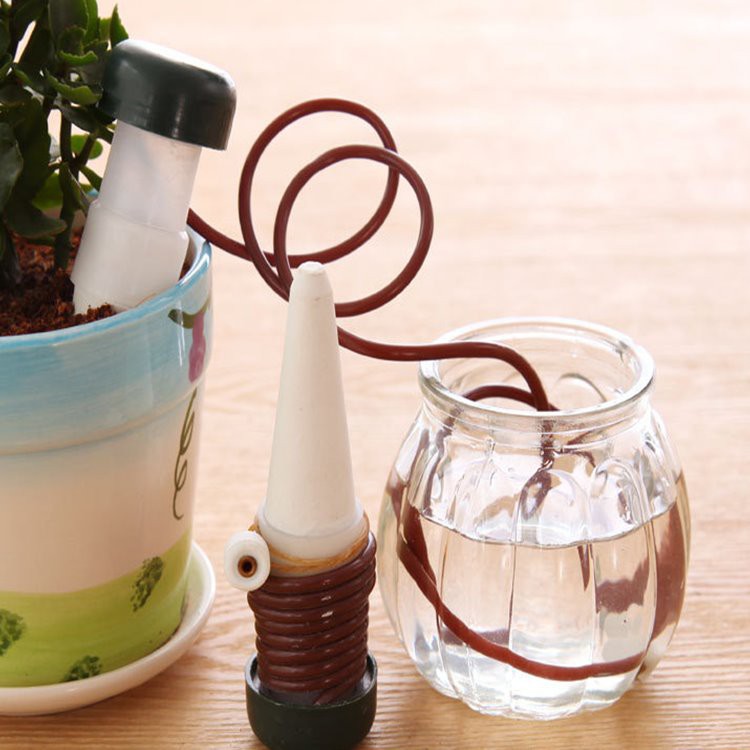
- Irrigation Systems: Hose fittings are used to connect hoses to sprinklers, drip emitters, and other irrigation components. They ensure a secure and leak-free connection, which helps to distribute water evenly and efficiently. Water Dropper Set is a great example of an agricultural product that uses hose fittings for irrigation.
- Sprayers: Hose fittings are used to connect hoses to spray nozzles, pumps, and other components of sprayers. They are designed to handle high pressures and can prevent leaks, ensuring that the chemicals or fertilizers are sprayed evenly and accurately.
- Fuel Transfer Systems: Hose fittings are used to connect hoses to fuel tanks, pumps, and other components of fuel transfer systems. They are resistant to fuel and can prevent leaks, ensuring the safe and efficient transfer of fuel.
- Hydraulic Systems: Hose fittings are used to connect hoses to hydraulic cylinders, pumps, and other components of hydraulic systems. They are designed to handle high pressures and can ensure the smooth operation of the equipment. High Pressure Pipe for Car Wash is an example of a product that uses high-pressure hose fittings in a similar high-pressure application.
- Livestock Watering Systems: Hose fittings are used to connect hoses to water troughs, nipples, and other components of livestock watering systems. They ensure a continuous supply of clean water to the animals, which is essential for their health and well-being. Soaker Hose can also be used in some agricultural applications related to watering, and it often requires appropriate hose fittings.
Considerations for Maintenance and Safety
To ensure the proper functioning and longevity of hose fittings in agricultural equipment, it is important to follow some maintenance and safety guidelines. Here are some tips:
- Regular Inspection: Inspect the hose fittings regularly for signs of wear, damage, or leaks. Replace any damaged or worn fittings immediately to prevent further problems.
- Proper Installation: Make sure that the hose fittings are installed correctly according to the manufacturer's instructions. Use the appropriate tools and techniques to ensure a secure and leak-free connection.
- Cleaning and Lubrication: Clean the hose fittings regularly to remove dirt, debris, and other contaminants. Lubricate the fittings with a suitable lubricant to prevent corrosion and ensure smooth operation.
- Storage: Store the hose fittings in a clean, dry, and cool place to prevent damage and corrosion. Avoid exposing the fittings to extreme temperatures, chemicals, or sunlight.
- Safety Precautions: When working with hose fittings, always wear appropriate safety equipment, such as gloves and goggles. Follow all safety guidelines and procedures to prevent accidents and injuries.
Conclusion
In conclusion, hose fittings can be used for agricultural equipment, and they offer several advantages, including secure connections, easy installation and removal, and customization options. However, it is important to choose the right type of hose fittings that are compatible with the specific requirements of the agricultural equipment. By considering factors such as the type of fluid or gas, pressure requirements, and environmental conditions, you can select the most suitable hose fittings for your equipment.
If you are in the market for high-quality hose fittings for your agricultural equipment, please feel free to contact us. We are a leading hose fittings supplier, and we offer a wide range of fittings to meet your needs. Our experienced team can provide you with expert advice and guidance to help you choose the right fittings for your equipment. Contact us today to start the procurement negotiation process and take your agricultural operations to the next level.
References
- Manufacturer's manuals and specifications for hose fittings and agricultural equipment.
- Industry standards and guidelines for the use of hose fittings in agricultural applications.