

Do automatic hose reels require electricity to operate?
May 15, 2025
As a seasoned supplier of Automatic Hose Reels, I've encountered numerous inquiries regarding their operational requirements. One question that frequently surfaces is, "Do automatic hose reels require electricity to operate?" In this blog, I'll delve into this topic, exploring the various types of automatic hose reels and their power sources, to provide a comprehensive understanding of how these useful tools function.
Understanding Automatic Hose Reels
Automatic hose reels are designed to simplify the process of storing and retrieving hoses. They offer convenience, efficiency, and safety by neatly winding the hose back onto the reel with minimal effort. These reels are widely used in various settings, including residential gardens, commercial car washes, industrial facilities, and agricultural fields.
Types of Automatic Hose Reels and Their Power Sources
Spring - Driven Automatic Hose Reels
Spring - driven automatic hose reels are one of the most common types. These reels operate without the need for electricity. The core mechanism behind their functionality is a coiled spring. When the hose is pulled out, the spring is wound up, storing potential energy. Once the user releases the hose, the stored energy in the spring is released, causing the reel to rotate and wind the hose back onto the spool.
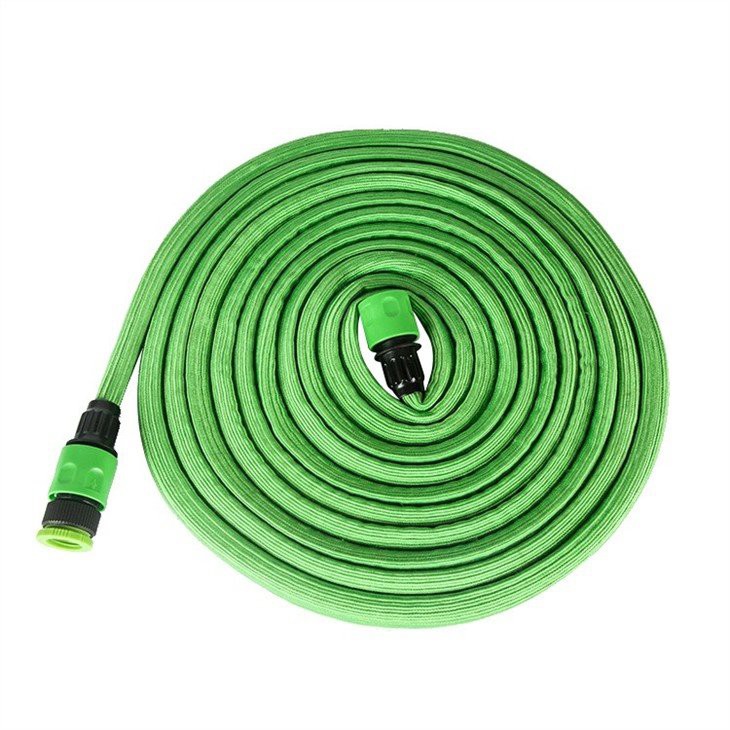
These reels are popular for their simplicity and reliability. They are suitable for small - to medium - scale applications, such as home gardening. Since they don't require an electrical connection, they can be easily installed anywhere, even in areas without access to power outlets. For example, you can place a spring - driven automatic hose reel in your backyard, near a water source, and use it to water your plants without worrying about electrical safety or finding a power supply.
Electric - Powered Automatic Hose Reels
On the other hand, electric - powered automatic hose reels do require electricity to operate. These reels are equipped with an electric motor that drives the winding and unwinding process. The motor provides the power needed to quickly and efficiently wind the hose back onto the reel, even for longer and heavier hoses.
Electric - powered automatic hose reels are often used in commercial and industrial settings. For instance, in a large car wash facility, an electric - powered reel can handle long hoses used for high - pressure water spraying. The electric motor ensures fast and consistent winding, which is essential for high - volume operations. In an industrial warehouse, these reels can be used to manage hoses for cleaning, lubrication, or other fluid - handling tasks.
Hydraulic - Powered Automatic Hose Reels
Hydraulic - powered automatic hose reels are another type that doesn't rely on electricity. Instead, they use hydraulic pressure to drive the reel's movement. These reels are commonly used in heavy - duty industrial applications where large amounts of force are required to wind and unwind the hose.
In a manufacturing plant, for example, a hydraulic - powered hose reel can be used to handle large - diameter hoses for transferring oil or other fluids. The hydraulic system provides a powerful and reliable source of energy, allowing the reel to operate smoothly even under high loads.

Advantages and Disadvantages of Electric and Non - Electric Automatic Hose Reels
Advantages of Non - Electric (Spring - Driven and Hydraulic) Reels
- Portability and Flexibility: Since they don't require electricity, non - electric reels can be installed in remote locations or areas without power access. This makes them ideal for outdoor use, such as in gardens or construction sites.
- Lower Installation Costs: There is no need to install electrical wiring or outlets, which reduces the overall installation cost.
- Safety: Without electrical components, there is no risk of electrical shock, making them safer to use in wet environments.
Disadvantages of Non - Electric Reels
- Limited Power: Spring - driven reels may have difficulty winding very long or heavy hoses. Hydraulic systems require a separate hydraulic power source, which can be bulky and complex.
- Slower Operation: Compared to electric - powered reels, non - electric reels may have a slower winding speed.
Advantages of Electric - Powered Reels
- High Power and Speed: Electric motors can provide sufficient power to wind long and heavy hoses quickly and efficiently.
- Controllability: Many electric - powered reels offer adjustable speed and tension settings, allowing users to customize the winding process according to their needs.
Disadvantages of Electric - Powered Reels
- Power Dependency: They require a reliable source of electricity, which may limit their use in areas without power.
- Higher Installation and Maintenance Costs: Electrical wiring and components need to be installed and maintained properly, which can increase the overall cost.
Factors to Consider When Choosing an Automatic Hose Reel
When deciding whether to choose an electric or non - electric automatic hose reel, several factors should be taken into account:
- Application: Consider the specific use of the hose reel. For light - duty residential use, a spring - driven reel may be sufficient. For heavy - duty commercial or industrial applications, an electric or hydraulic - powered reel may be more appropriate.
- Location: If the reel will be used in an area without access to electricity, a non - electric option is the obvious choice.
- Budget: Electric - powered reels generally have a higher upfront cost and may incur additional maintenance expenses. Non - electric reels are usually more budget - friendly.
Our Product Range
As a supplier of Automatic Hose Reels, we offer a wide range of products to meet different customer needs. Whether you need a spring - driven reel for your home garden or an electric - powered reel for your commercial business, we have the right solution for you. We also offer Collapsible Hose, which is a great addition to our automatic hose reels, providing flexibility and ease of storage.
Conclusion
In conclusion, not all automatic hose reels require electricity to operate. Spring - driven and hydraulic - powered reels offer a non - electric alternative, providing portability, lower installation costs, and safety. Electric - powered reels, on the other hand, offer high power and speed, making them suitable for heavy - duty applications.

If you're interested in purchasing an automatic hose reel or have any questions about our products, please feel free to contact us. We're here to help you find the perfect solution for your needs.
References
- "Hose Reel Handbook", Industry Standard Publishing
- "Fluid Handling Equipment Guide", Professional Equipment Resources