

How to adjust the watering with a soaker hose for a cactus garden?
Aug 13, 2025
As a seasoned soaker hose supplier, I've witnessed firsthand the transformative power of a well - watered cactus garden. Cacti, with their unique and resilient nature, require a delicate balance when it comes to watering. In this blog, I'll share some in - depth insights on how to adjust the watering with a soaker hose for a cactus garden, ensuring your prickly friends thrive.

Understanding Cactus Watering Needs
Cacti are native to arid regions, where water is scarce. Their bodies are adapted to store water for long periods. Over - watering can lead to root rot, a common and often fatal problem for cacti. On the other hand, under - watering can cause the cacti to shrivel and become weak.
The frequency of watering depends on several factors. The type of cactus is crucial. Some cacti, like the Opuntia, can tolerate more water than others, such as the Ferocactus. The size of the cactus also matters; larger cacti generally have more water - storing capacity. Environmental conditions, including temperature, humidity, and sunlight, play a significant role as well. In hot and dry weather, cacti will need more water compared to cooler and more humid conditions.
Benefits of Using a Soaker Hose
A soaker hose is an ideal tool for watering a cactus garden. Unlike traditional sprinklers, which can wet the entire plant surface, a soaker hose delivers water directly to the soil. This is beneficial for cacti because it reduces the risk of water sitting on the plant, which can lead to fungal diseases.
Soaker hoses also provide a slow and steady water supply. This mimics the natural rainfall in arid regions, allowing the water to seep deep into the soil. The roots of cacti can then absorb the water at a more natural pace, promoting healthy root growth.
Installation of Soaker Hose in a Cactus Garden
Before installing the soaker hose, you need to plan the layout of your cactus garden. Identify the areas where your cacti are planted and determine the best path for the hose. Try to place the hose as close to the base of the cacti as possible without touching them.
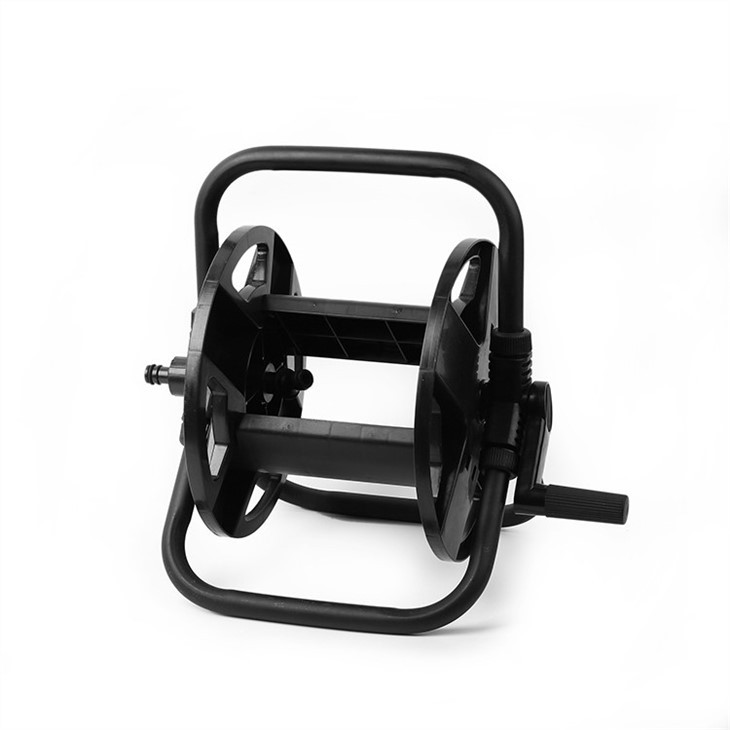
Start by connecting the soaker hose to a water source. You may need a Plastic Hose Pipe or a PVC Water Hose Cart to reach the desired location. Lay the soaker hose along the rows of cacti or in a circular pattern around individual large cacti. Make sure the hose is not kinked, as this can block the water flow.
Adjusting Watering Frequency
The first step in adjusting the watering frequency is to understand the soil type in your cactus garden. Cacti prefer well - draining soil, such as a mix of sand, perlite, and potting soil. If the soil drains quickly, you may need to water more often. In contrast, if the soil retains water for a long time, you should water less frequently.
In the growing season (usually spring and summer), cacti are more active and need more water. You can water them once every 1 - 2 weeks, depending on the environmental conditions. During the dormant season (fall and winter), cacti require much less water. Watering once every 4 - 6 weeks is usually sufficient.
Monitor the cacti closely. If the cacti start to look plump and healthy, it means they are getting enough water. If they appear shriveled or wrinkled, they may need more water. However, be cautious not to over - react and over - water.
Adjusting Watering Duration
The duration of watering with a soaker hose depends on the length of the hose and the water pressure. Start with a short watering time, say 10 - 15 minutes, and then check the soil moisture. Insert your finger about 2 - 3 inches into the soil near the cactus. If the soil is dry at that depth, you need to increase the watering duration.
A general rule of thumb is to water until the soil is moist but not soggy. For small cacti, a shorter watering time may be enough. Larger cacti or groups of cacti may require a longer watering session. Remember, the goal is to moisten the root zone, not to flood the entire garden.
Using a Timer
To make the watering process more consistent, you can use a timer. A timer can be set to turn on the water supply at a specific time and for a specific duration. This is especially useful if you are busy or going on vacation.
You can program the timer to water your cactus garden according to the season and the needs of your cacti. For example, in the summer, you can set the timer to water for 20 minutes once a week. In the winter, reduce the frequency and duration.
Special Considerations for Different Cactus Species
Some cacti have unique watering requirements. For example, epiphytic cacti, such as Christmas cacti, are native to rainforests and need more humidity and water compared to desert cacti. When using a soaker hose for epiphytic cacti, you may need to water more frequently and also mist the surrounding air to increase humidity.
On the other hand, barrel cacti are extremely drought - tolerant. They can survive long periods without water. You should be very conservative with watering barrel cacti, especially during the dormant season.
Maintenance of Soaker Hose
Regular maintenance of the soaker hose is essential to ensure its proper functioning. After each use, disconnect the hose from the water source and drain any remaining water. This helps prevent freezing in cold weather and reduces the risk of mold and mildew growth.
Inspect the hose regularly for any signs of damage, such as cracks or holes. If you find any damage, you can repair it using a patch kit or replace the damaged section. You may also want to clean the soaker hose periodically to remove any dirt or debris that may clog the pores.
Choosing the Right Soaker Hose
When selecting a soaker hose for your cactus garden, consider the length, diameter, and porosity. The length of the hose should be appropriate for the size of your garden. A longer hose may require higher water pressure to ensure even water distribution.
The diameter of the hose affects the water flow rate. A wider hose can deliver more water, but it may also require more water pressure. The porosity of the soaker hose determines how quickly the water seeps out. For cacti, a hose with moderate porosity is usually a good choice. You may also want to consider a Plastic Net Hose Pipe for added durability.
Conclusion
Adjusting the watering with a soaker hose for a cactus garden requires a combination of knowledge, observation, and experimentation. By understanding the unique needs of your cacti, installing the soaker hose correctly, and adjusting the watering frequency and duration, you can create a healthy and thriving cactus garden.
If you're interested in purchasing high - quality soaker hoses or have any questions about watering your cactus garden, don't hesitate to reach out. We're here to help you make the best choices for your garden.
References
- "The Complete Guide to Cactus Care" by Jane Smith
- "Watering Techniques for Arid Plants" by John Doe
- "Soaker Hose Installation and Maintenance" by Gardening Magazine