

What is the reel locking mechanism of a PVC hose reel?
Oct 15, 2025
As a dedicated supplier of PVC Hose Reels, I've encountered numerous inquiries about the reel locking mechanism. In this blog post, I'll delve into the details of what a reel locking mechanism for a PVC hose reel is, how it functions, and why it's crucial for various applications.
Understanding the Basics of a PVC Hose Reel
Before we dive into the locking mechanism, let's briefly touch on what a PVC hose reel is. A PVC Hose Reel is a device designed to store and manage PVC hoses efficiently. PVC hoses, especially Reinforced Braided PVC Hose, are widely used in various industries, including agriculture, gardening, and industrial cleaning, due to their flexibility, durability, and resistance to chemicals. The hose reel provides a convenient way to keep the hose organized, preventing tangles and damage while also making it easy to extend and retract the hose as needed.
What is a Reel Locking Mechanism?
A reel locking mechanism is a feature incorporated into a PVC hose reel that allows the user to secure the hose at a desired length. This mechanism is essential for maintaining the hose in a fixed position during use, ensuring that it doesn't retract or unwind unexpectedly. There are several types of locking mechanisms commonly used in PVC hose reels, each with its own unique design and functionality.
Ratchet and Pawl Mechanism
One of the most common types of locking mechanisms is the ratchet and pawl system. This mechanism consists of a ratchet wheel, which is attached to the reel axle, and a pawl, which is a small lever that engages with the teeth of the ratchet wheel. When the user pulls the hose out, the ratchet wheel rotates freely in one direction. To lock the hose in place, the user simply engages the pawl, which prevents the ratchet wheel from rotating in the opposite direction. This effectively secures the hose at the desired length.
The ratchet and pawl mechanism is known for its simplicity and reliability. It provides a strong and positive lock, ensuring that the hose remains in place even under high tension. However, it may require some effort to engage and disengage the pawl, especially if the hose is under a lot of stress.
Brake System
Another type of locking mechanism is the brake system. This mechanism uses a brake pad or disc to apply friction to the reel axle, preventing it from rotating. The brake can be operated manually or automatically, depending on the design of the hose reel.
Manual brake systems typically require the user to turn a knob or lever to engage or disengage the brake. This type of system provides precise control over the locking and unlocking of the hose, allowing the user to adjust the length of the hose as needed. Automatic brake systems, on the other hand, are designed to engage automatically when the hose is pulled out and disengage when the hose is retracted. This type of system is more convenient to use, as it eliminates the need for the user to manually operate the brake.
The brake system offers a smooth and quiet operation, making it ideal for applications where noise is a concern. It also provides a more gradual locking and unlocking action, which can be beneficial for hoses that are prone to kinking or damage. However, the brake pads or discs may wear out over time, requiring periodic replacement.
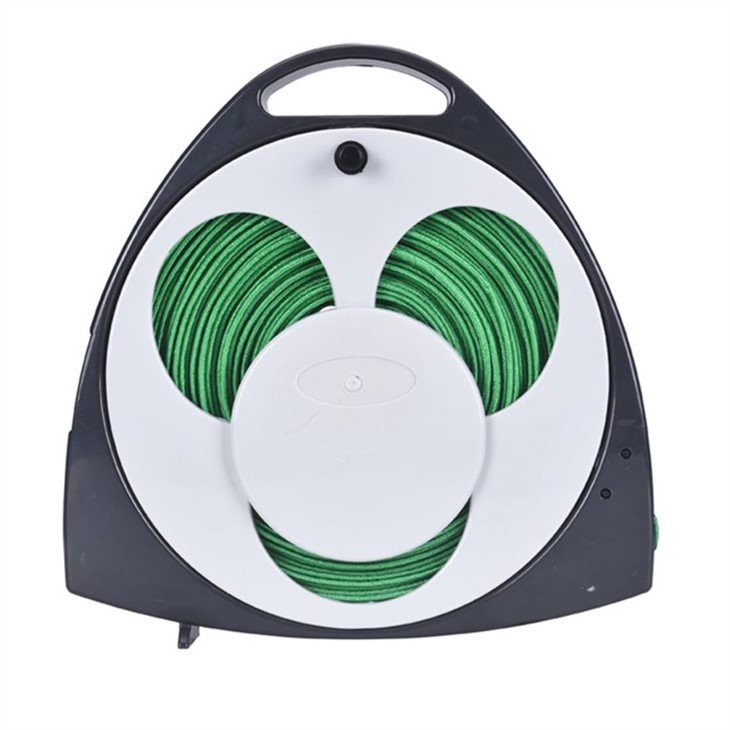

Spring-Loaded Lock
A spring-loaded lock is a simple yet effective locking mechanism that uses a spring to hold the hose in place. This mechanism typically consists of a spring-loaded pin or latch that engages with a series of holes or slots on the reel. When the user pulls the hose out, the pin or latch is pushed out of the way, allowing the reel to rotate freely. To lock the hose in place, the user releases the pin or latch, which springs back into position and engages with the holes or slots, preventing the reel from rotating.
The spring-loaded lock is easy to operate and provides a quick and convenient way to secure the hose at a desired length. It is also relatively inexpensive and requires minimal maintenance. However, it may not provide as strong a lock as the ratchet and pawl or brake systems, especially for heavy-duty applications.
Importance of a Reel Locking Mechanism
The reel locking mechanism plays a crucial role in the functionality and safety of a PVC hose reel. Here are some of the key reasons why a reliable locking mechanism is essential:
Precise Hose Length Control
The ability to lock the hose at a desired length allows the user to have precise control over the amount of hose that is extended. This is particularly important in applications where the hose needs to reach a specific location or where a certain length of hose is required for the task at hand. For example, in a gardening application, the user may need to lock the hose at a specific length to reach a particular area of the garden without having to constantly adjust the hose.
Safety
A reliable locking mechanism helps to prevent accidents and injuries by ensuring that the hose remains in place during use. If the hose were to retract or unwind unexpectedly, it could pose a tripping hazard or cause damage to the equipment or surroundings. By locking the hose in place, the user can minimize the risk of these types of accidents.
Hose Protection
The locking mechanism also helps to protect the hose from damage. When the hose is locked in place, it is less likely to be pulled or stretched beyond its limits, which can cause kinking, splitting, or other forms of damage. This helps to extend the lifespan of the hose and reduce the need for frequent replacements.
Choosing the Right Reel Locking Mechanism
When choosing a PVC hose reel, it's important to consider the type of locking mechanism that best suits your needs. Here are some factors to keep in mind:
Application
The type of application will determine the level of locking strength and precision required. For light-duty applications, such as gardening or household cleaning, a simple spring-loaded lock may be sufficient. However, for heavy-duty applications, such as industrial cleaning or agricultural irrigation, a more robust locking mechanism, such as a ratchet and pawl or brake system, may be necessary.
Frequency of Use
If you plan to use the hose reel frequently, you may want to choose a locking mechanism that is easy to operate and requires minimal maintenance. A brake system or a ratchet and pawl mechanism with a smooth and easy-to-use design may be a good choice for frequent use.
Hose Size and Weight
The size and weight of the hose will also affect the choice of locking mechanism. Larger and heavier hoses may require a stronger locking mechanism to ensure that they remain in place during use. A ratchet and pawl or brake system is typically better suited for larger and heavier hoses.
Conclusion
In conclusion, the reel locking mechanism is an essential component of a PVC hose reel. It allows the user to secure the hose at a desired length, providing precise control, safety, and hose protection. There are several types of locking mechanisms available, each with its own unique design and functionality. When choosing a PVC hose reel, it's important to consider the type of application, frequency of use, and hose size and weight to determine the most suitable locking mechanism for your needs.
If you're in the market for a high-quality PVC hose reel with a reliable locking mechanism, we invite you to explore our extensive range of products. Our PVC hose reels are designed and manufactured to the highest standards, ensuring durability, performance, and ease of use. Contact us today to discuss your requirements and learn more about how our products can meet your needs. We look forward to the opportunity to serve you and help you find the perfect PVC hose reel for your application.
References
- Industry standards and guidelines for PVC hose reels
- Manufacturer's specifications and documentation for PVC hose reels
- Technical literature on locking mechanisms for hose reels