

What is the reel rotation mechanism of a PVC hose reel?
Aug 27, 2025
Hey there! As a supplier of PVC Hose Reels, I've had a fair share of questions about how these nifty devices work. One of the most common inquiries I get is about the reel rotation mechanism of a PVC hose reel. So, I thought I'd take a deep dive into this topic and share what I've learned over the years.
The Basics of a PVC Hose Reel
Before we jump into the rotation mechanism, let's quickly go over what a PVC hose reel is. A PVC hose reel is a device used to store and manage PVC hoses. It's a great way to keep your hoses organized, prevent tangles, and extend their lifespan. These reels come in various sizes and designs, from small handheld models to large, heavy-duty industrial ones.
We offer a wide range of PVC Hose Reel options to suit different needs. Whether you're a homeowner looking to keep your garden hose tidy or a professional in need of a durable reel for industrial use, we've got you covered.
The Reel Rotation Mechanism
The reel rotation mechanism is the heart of a PVC hose reel. It's what allows the reel to spin and wind or unwind the hose. There are several types of rotation mechanisms, each with its own advantages and disadvantages.
Manual Rotation
The simplest type of rotation mechanism is manual rotation. With a manual reel, you turn a crank or handle to wind or unwind the hose. This type of mechanism is often found in smaller, more affordable hose reels, like those used for home gardening.
Manual rotation has its perks. It's straightforward, doesn't require any power source, and is generally very reliable. However, it can be a bit of a workout, especially if you have a long or heavy hose. You also need to be careful not to overwind the hose, which can cause it to kink or damage the reel.
Spring - Driven Rotation
Spring - driven hose reels are a popular choice for many users. These reels use a coiled spring to automatically wind the hose back onto the reel. When you pull the hose out, the spring is wound up, storing potential energy. When you release the hose, the spring unwinds, causing the reel to rotate and wind the hose back in.
Spring - driven reels are convenient because they do the work for you. You don't have to turn a crank every time you want to wind up the hose. They're also relatively compact and easy to use. However, the spring can lose its tension over time, especially if the reel is used frequently or if it's exposed to harsh conditions. This can lead to the hose not winding back properly or the spring breaking.

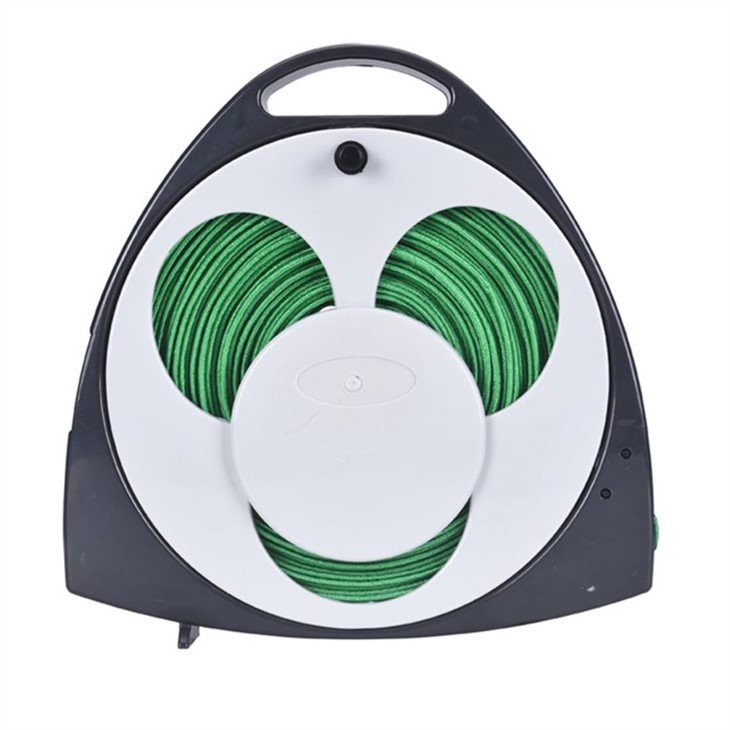
Electric Rotation
For larger, industrial - grade PVC hose reels, electric rotation is often the preferred option. Electric reels are powered by an electric motor, which can be controlled with a switch or a remote control. This allows for easy and precise winding and unwinding of the hose.
Electric rotation offers several advantages. It's fast, efficient, and can handle heavy - duty hoses with ease. You can also control the speed and direction of the rotation, which is useful in many industrial applications. However, electric reels are more expensive than manual or spring - driven reels, and they require a power source. This can limit their use in some situations, especially if you're working in a remote area without access to electricity.
Pneumatic Rotation
Pneumatic rotation is another option for industrial hose reels. These reels are powered by compressed air. The compressed air is used to drive a pneumatic motor, which rotates the reel.
Pneumatic rotation is great for environments where electricity is not available or where there's a risk of electrical hazards. It's also very powerful and can handle large, heavy hoses. However, like electric reels, pneumatic reels require a special power source (compressed air), and they can be more complex and expensive to maintain.
Factors Affecting the Reel Rotation Mechanism
Several factors can affect the performance of the reel rotation mechanism.
Hose Weight and Length
The weight and length of the hose play a significant role in how well the rotation mechanism works. A heavy or long hose will require more force to wind and unwind. Manual and spring - driven reels may struggle with very heavy or long hoses, while electric and pneumatic reels are better suited for these applications.
Reel Size and Design
The size and design of the reel also matter. A larger reel can hold more hose, but it may require more power to rotate. The shape of the reel and the way the hose is wound around it can also affect the rotation. For example, a reel with a smooth surface will allow the hose to wind and unwind more easily than a reel with a rough or uneven surface.
Environmental Conditions
The environment in which the hose reel is used can have an impact on the rotation mechanism. Extreme temperatures, moisture, and dirt can all cause problems. For example, in cold weather, the hose may become stiff, making it harder to wind and unwind. Moisture can cause rust and corrosion, which can damage the reel and the rotation mechanism.
Choosing the Right Rotation Mechanism
When choosing a PVC hose reel, it's important to consider your specific needs and the type of rotation mechanism that will work best for you.
If you're a homeowner with a small garden hose, a manual or spring - driven reel may be sufficient. They're affordable, easy to use, and don't require a lot of maintenance.
For commercial or industrial use, where you need to handle long, heavy hoses frequently, an electric or pneumatic reel may be a better choice. These reels offer more power and convenience, although they come at a higher cost.
We also offer Reinforced Braided PVC Hose that can be used with our hose reels. These hoses are strong and durable, making them a great match for our high - quality reels.
Maintenance of the Reel Rotation Mechanism
Proper maintenance is crucial to keep the reel rotation mechanism working properly. Here are some tips:
- Keep it clean: Regularly clean the reel and the rotation mechanism to remove dirt, debris, and any moisture. This will prevent rust and corrosion and ensure smooth rotation.
- Lubricate moving parts: If your reel has moving parts, like gears or bearings, lubricate them regularly. This will reduce friction and wear, extending the life of the mechanism.
- Check for damage: Periodically inspect the rotation mechanism for any signs of damage, such as cracks, bent parts, or loose connections. If you notice any problems, repair or replace the damaged parts as soon as possible.
Conclusion
The reel rotation mechanism is a critical component of a PVC hose reel. Whether you choose a manual, spring - driven, electric, or pneumatic mechanism depends on your specific needs and budget. By understanding how these mechanisms work and how to maintain them, you can ensure that your hose reel will provide reliable service for years to come.
If you're in the market for a PVC hose reel or have any questions about our products, don't hesitate to reach out. We're here to help you find the perfect solution for your needs. Whether you're a DIY enthusiast or a large - scale industrial operation, we've got the expertise and the products to meet your requirements. Let's start a conversation about your PVC hose reel needs and see how we can work together!
References
- "Hose Reel Handbook", Industry Standard Publications
- "Guide to PVC Hose and Reel Systems", Hose Manufacturer's Association